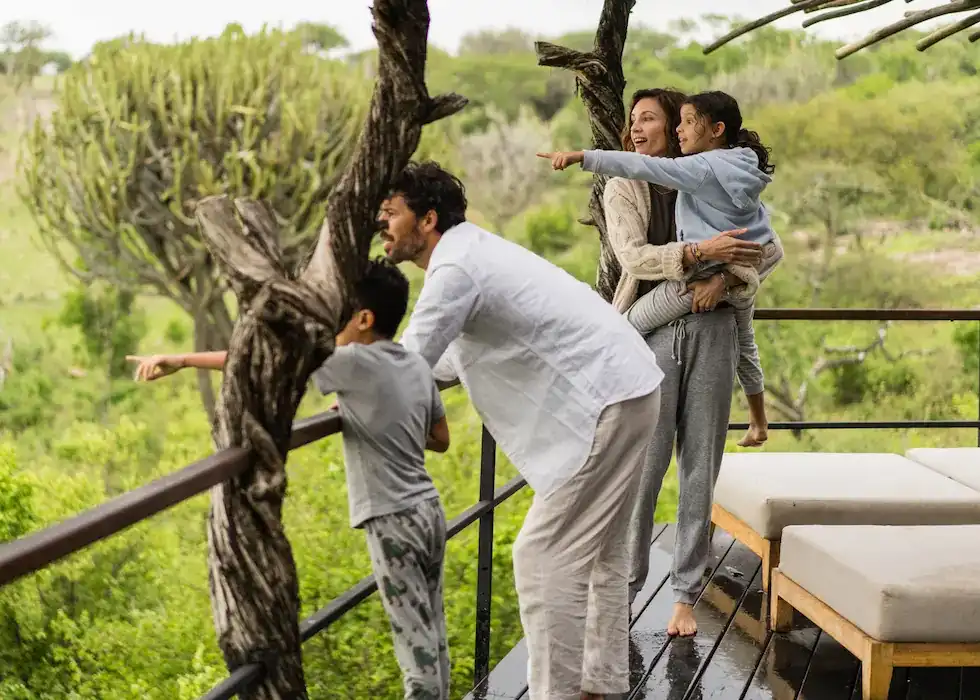
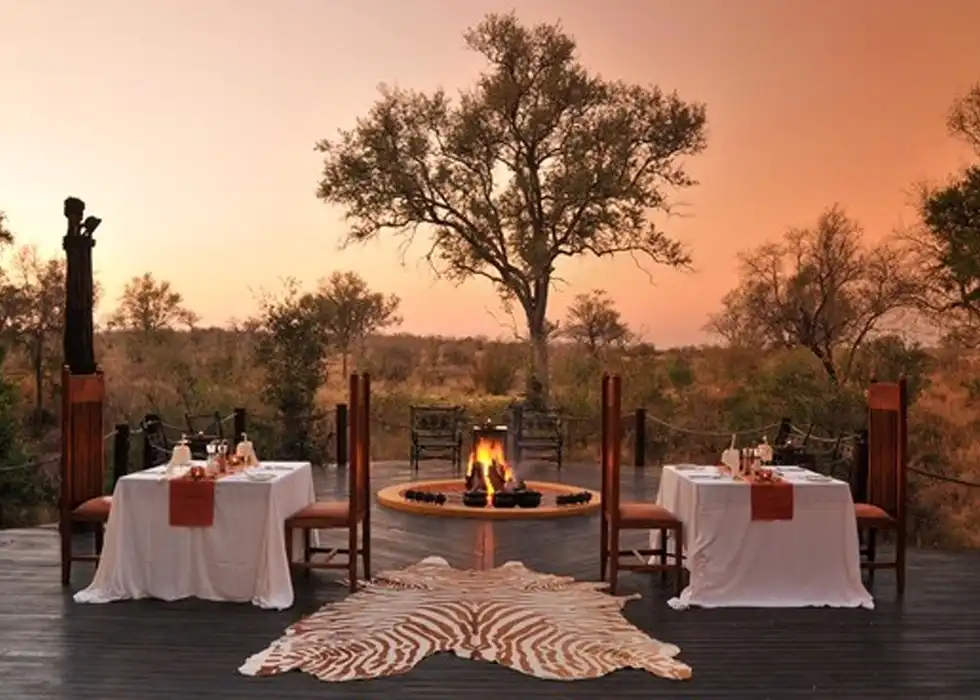
Tipping in Tanzania Safari is a customary practice, enriching your safari experience while showing appreciation to the dedicated safari crew members. Our detailed Tipping In Tanzania Safari guide offers insights into when, whom, and how much to tip, ensuring a seamless and respectful interaction throughout your safari adventure.
Tipping is deeply ingrained in Tanzania’s tourism culture, reflecting gratitude for exceptional service. While not obligatory, tipping is customary and greatly appreciated by safari staff members.
Most lodges provide tipping guidelines, facilitating guests in tipping staff members accordingly. A common practice is to contribute to a communal tip jar, with the recommended amount ranging from USD 10 to 20 per person per day.
Safari guides play a pivotal role in enhancing your safari experience. It’s customary to tip safari guides around USD 10 per person per day, acknowledging their expertise and dedication.
Safari trackers accompany rangers on game drives, contributing to wildlife sightings and photography opportunities. Tipping trackers approximately USD 5 per person per day is customary to recognize their efforts.
Guests on Luxury Safari Tanzania receive exceptional service at dining establishments. It’s customary to tip waiters 10-15% of the bill total, while bartenders appreciate a tip of at least 10% of the bill for larger orders or 1 to 2 USD per drink.
Tipping safari drivers demonstrates appreciation for their guidance and support during your safari adventure. A tip of USD 7-8 is typically suitable, with offering a small tip in local currency also being acceptable.
Following these guidelines for Tipping In Tanzania Safari ensures a respectful and rewarding safari experience, fostering positive interactions with safari crew members while acknowledging their contributions to your memorable journey.
The best time for a Tanzania safari depends on your interests. The dry season (June to October) is ideal for wildlife viewing as animals gather around water sources. The wet season (November to May) offers lush landscapes and fewer crowds, but some areas may be inaccessible due to heavy rains.
Tanzania is home to a diverse array of wildlife, including the Big Five (lion, elephant, buffalo, leopard, and rhinoceros), as well as giraffes, zebras, wildebeests, cheetahs, hippos, crocodiles, and a variety of bird species.
Some of Tanzania’s most famous national parks and reserves include the Serengeti National Park, the Ngorongoro Conservation Area, Tarangire National Park, Lake Manyara National Park, and Selous Game Reserve.
Most visitors to Tanzania require a visa, which can be obtained upon arrival at the airport or online before traveling. Requirements may vary depending on your nationality, so it’s essential to check with the Tanzanian embassy or consulate in your country.
Accommodation options in Tanzania range from luxury lodges and tented camps to budget-friendly campsites. Each offers a unique experience, with amenities varying from basic to luxurious.
Tanzania is generally a safe destination for travelers, including those on safari. However, it’s essential to take precautions such as following the advice of your guide, staying informed about local conditions, and keeping your belongings secure.
Essential items to pack for a Tanzania safari include lightweight, breathable clothing, sturdy walking shoes, a hat, sunglasses, sunscreen, insect repellent, a camera with extra batteries and memory cards, and any necessary medications.
Most safari companies in Tanzania use rugged, four-wheel-drive vehicles, such as Land Rovers or Land Cruisers, equipped with pop-up roofs for optimal wildlife viewing. These vehicles are spacious, comfortable, and designed to navigate the varied terrain of the national parks and reserves.
Yes, many safari operators offer cultural experiences as part of their itineraries, such as visiting Maasai villages, learning about traditional crafts, or participating in community-led conservation projects.
You can book a Tanzania safari either directly through Contact Form or by contacting us via email or phone.
Get advice and suggestions to make this your perfect trip.
Journey through the heart of Tanzania’s wild landscapes with our expertly guided safaris
Standing at 5,895 meters, the summit of Kilimanjaro is the highest point in Africa
We help you plan your dream holiday in Tanzania! We show you how to plan your trip in such a way that you may experience it as a lifetime safari experience.

We are a dedicated team of safari enthusiasts deeply passionate about the wonders of Africa.