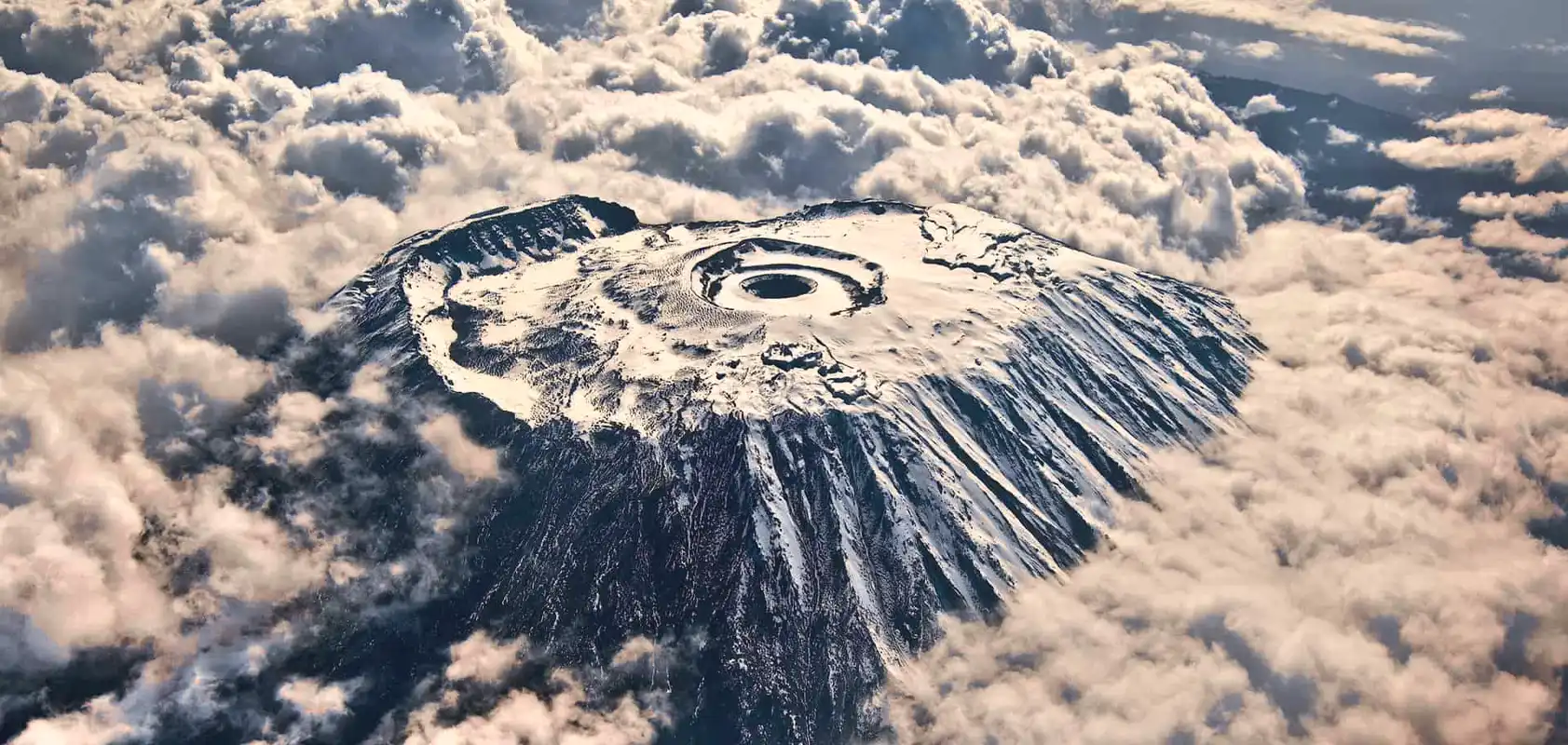
Let’s Take You To The Top Of Africa
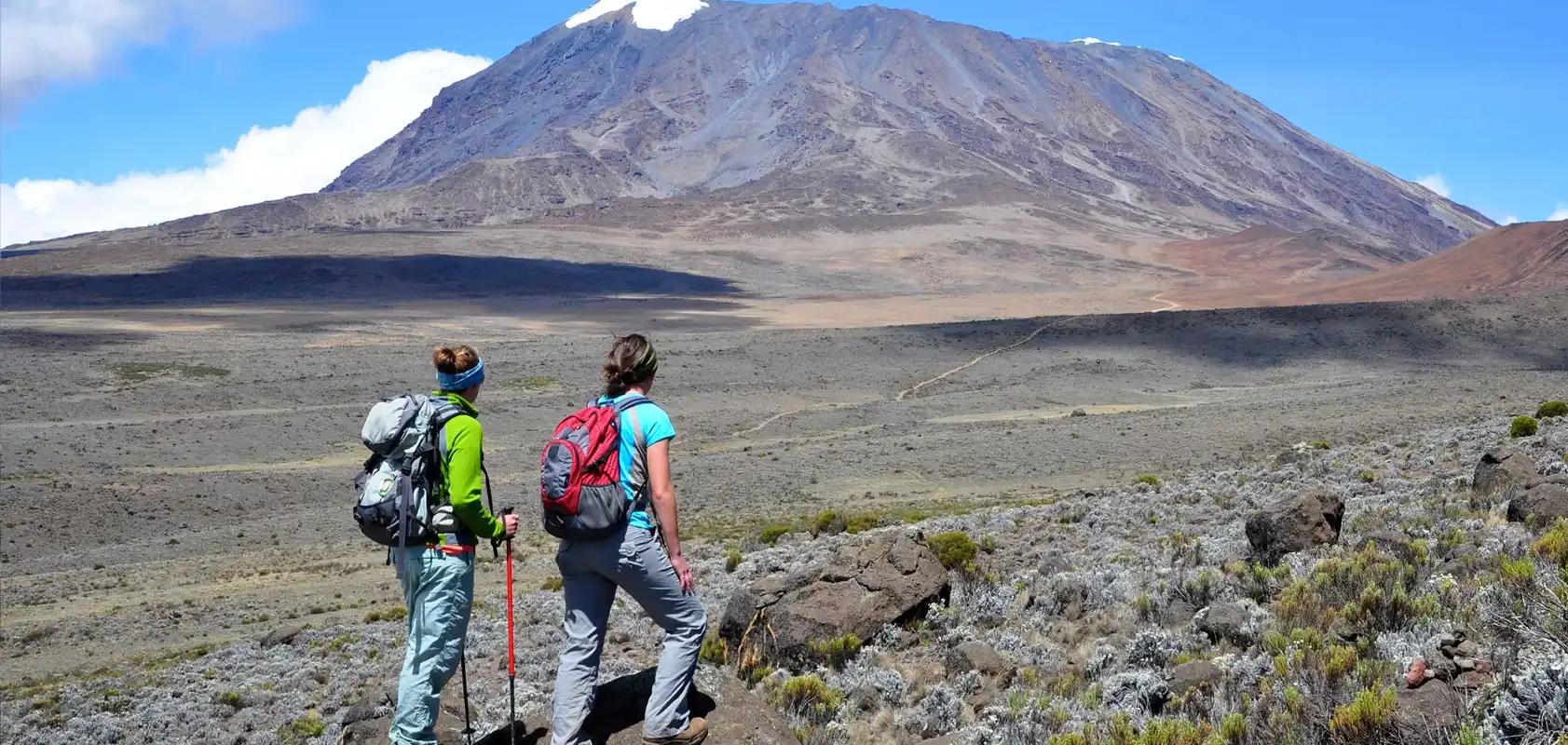
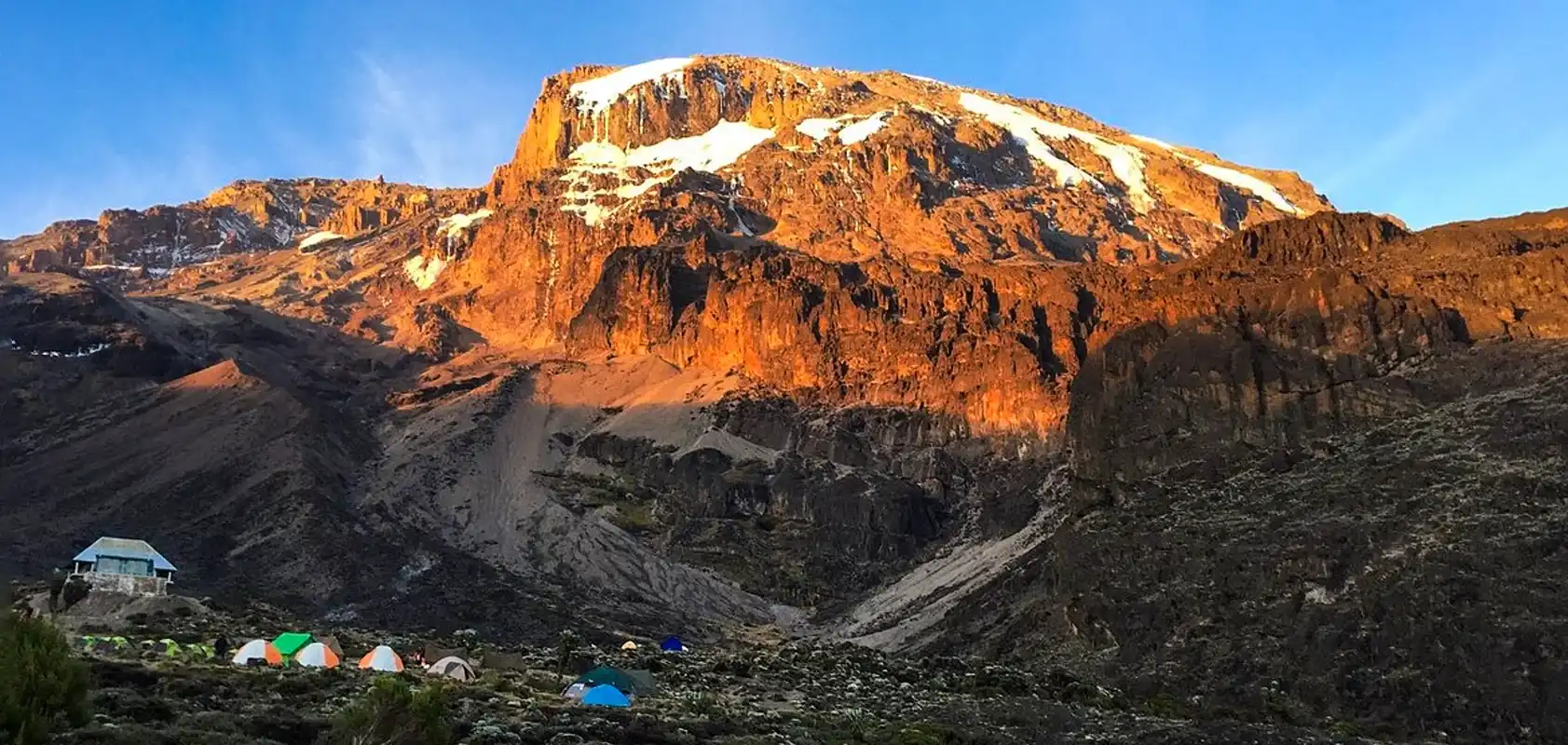
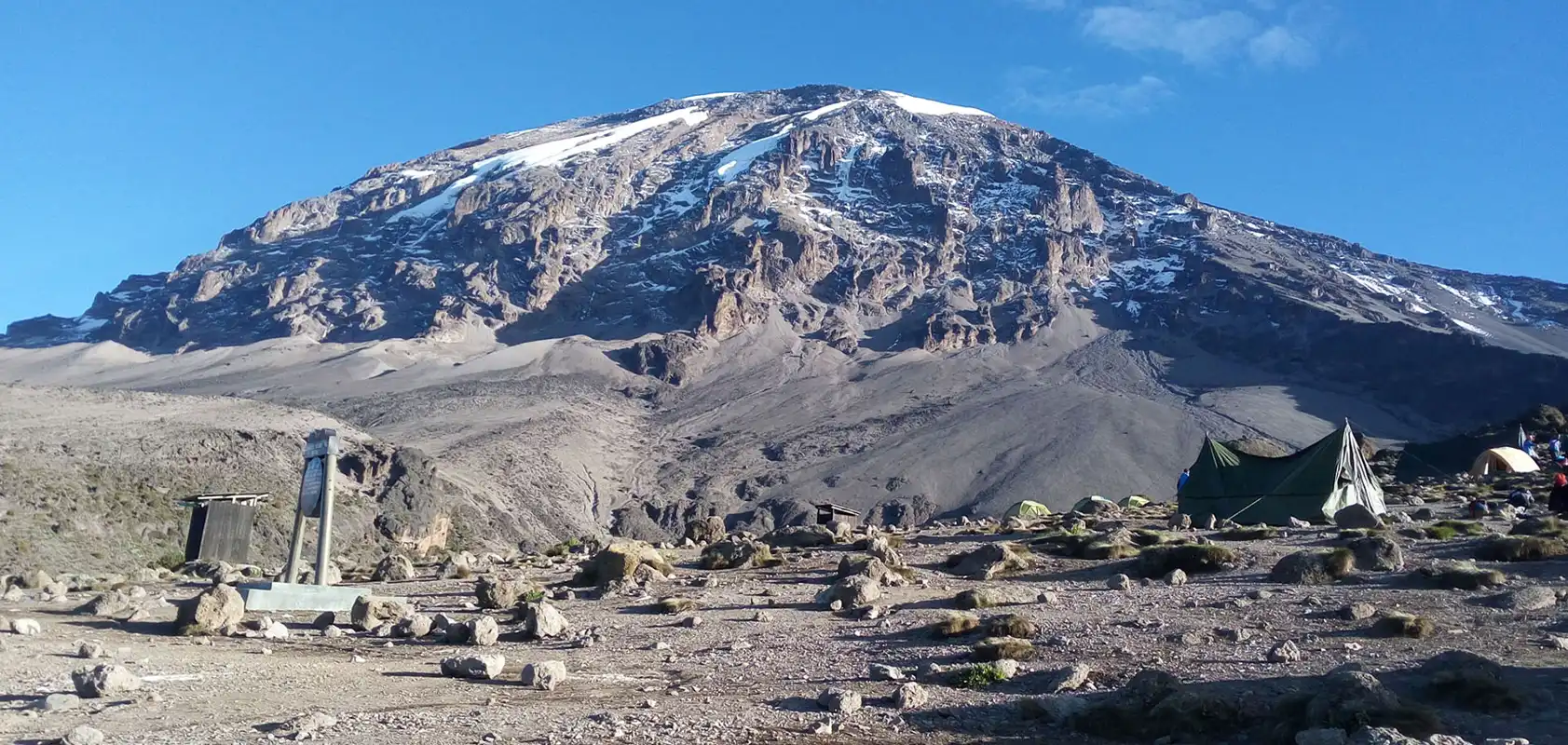
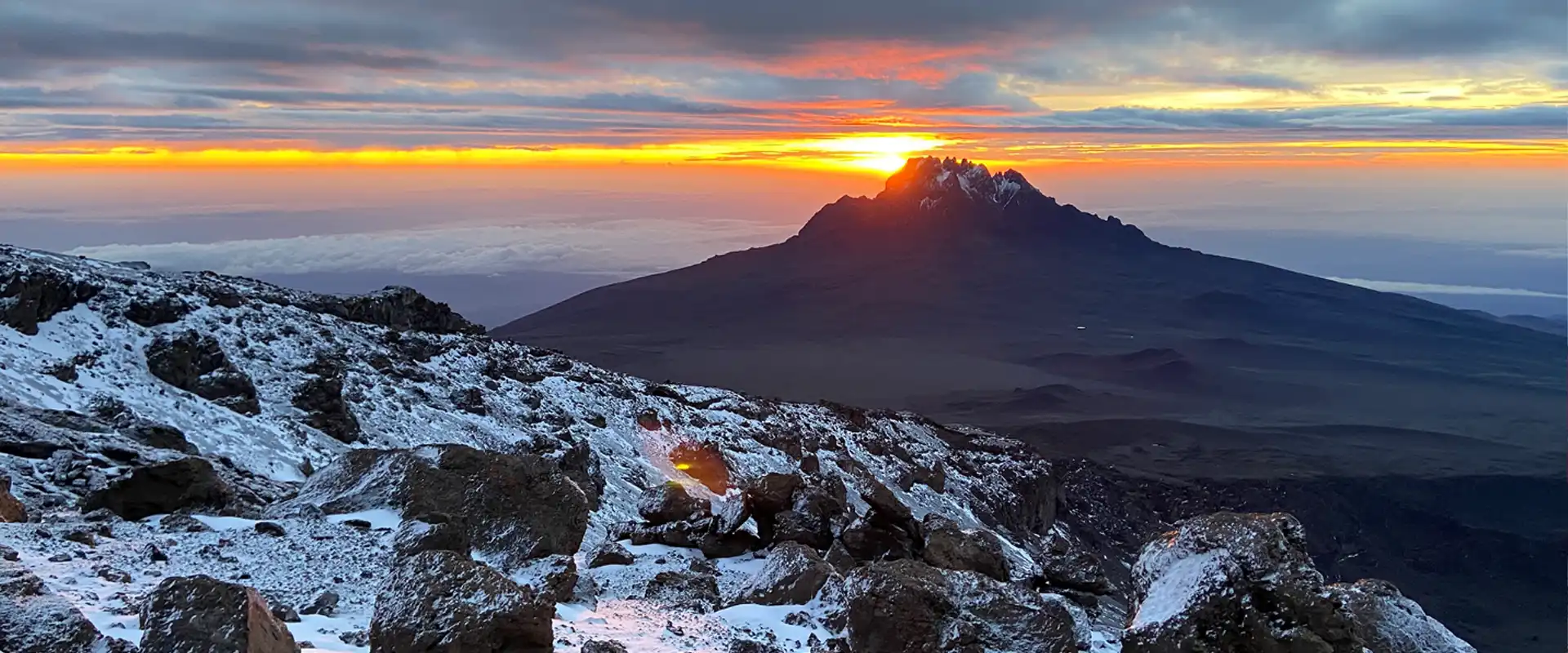
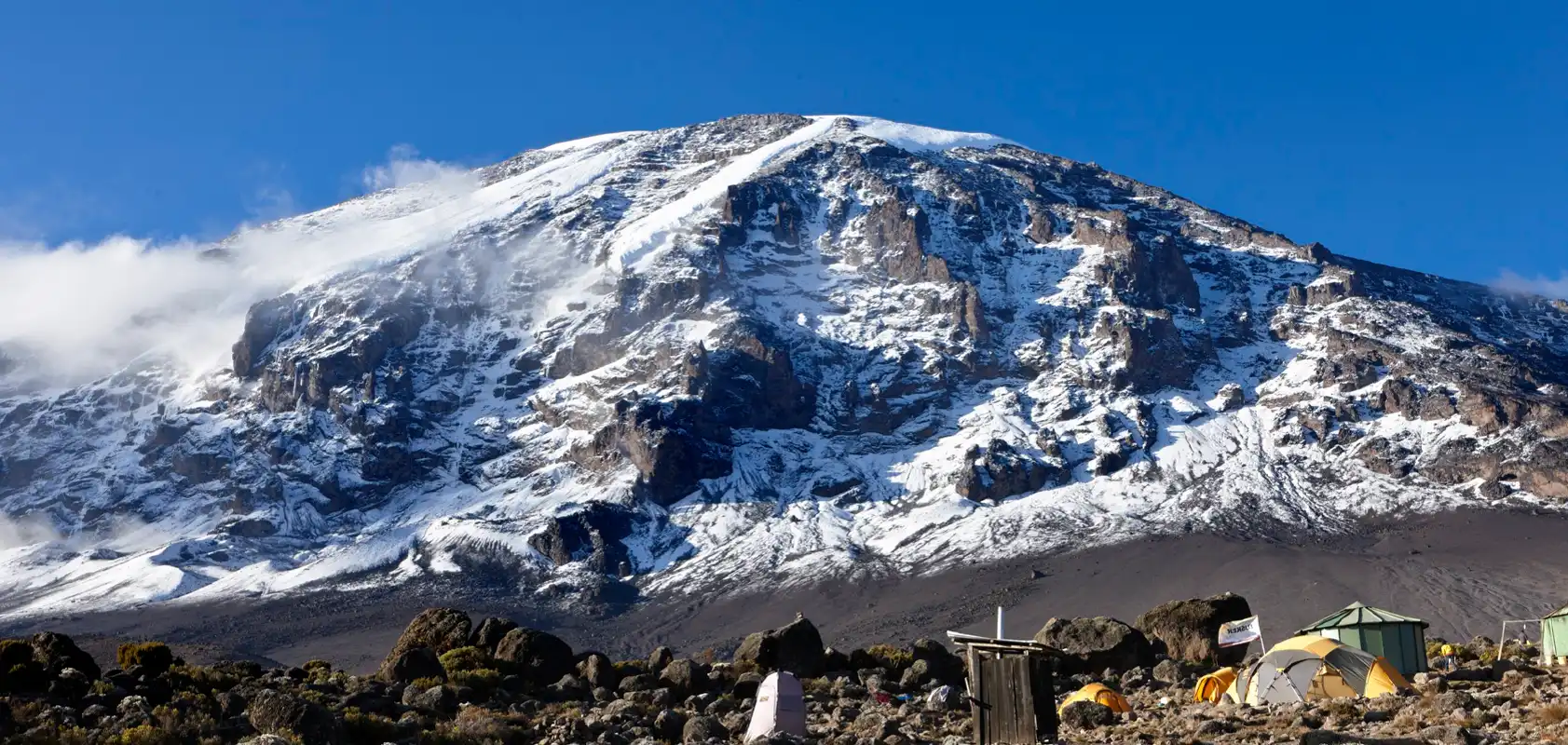
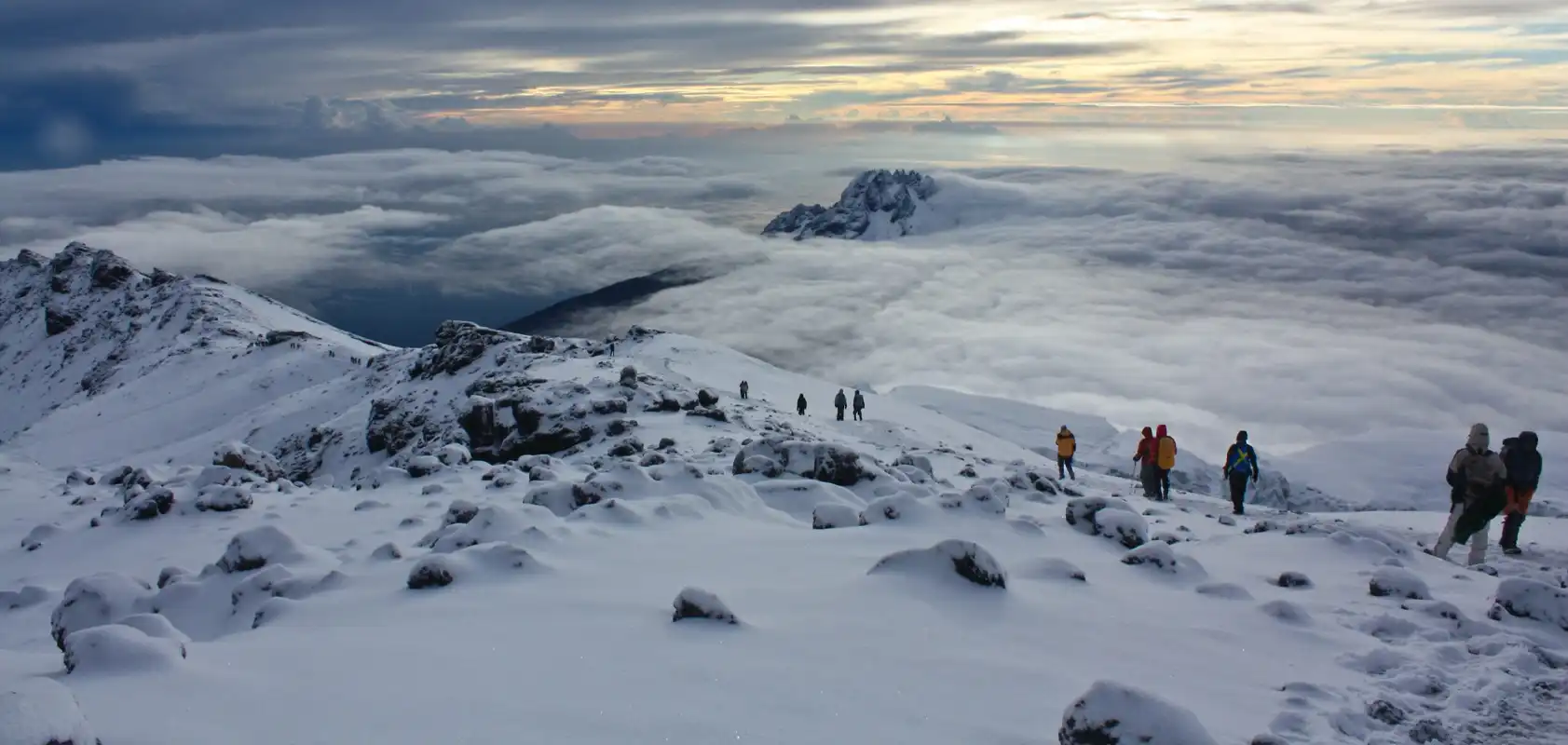
Kilimanjaro climbing stands as an unparalleled adventure, with the majestic peak soaring 5,895 meters (19,340 feet) above sea level, making it the highest free-standing mountain globally and earning the title of the ‘Roof of Africa.
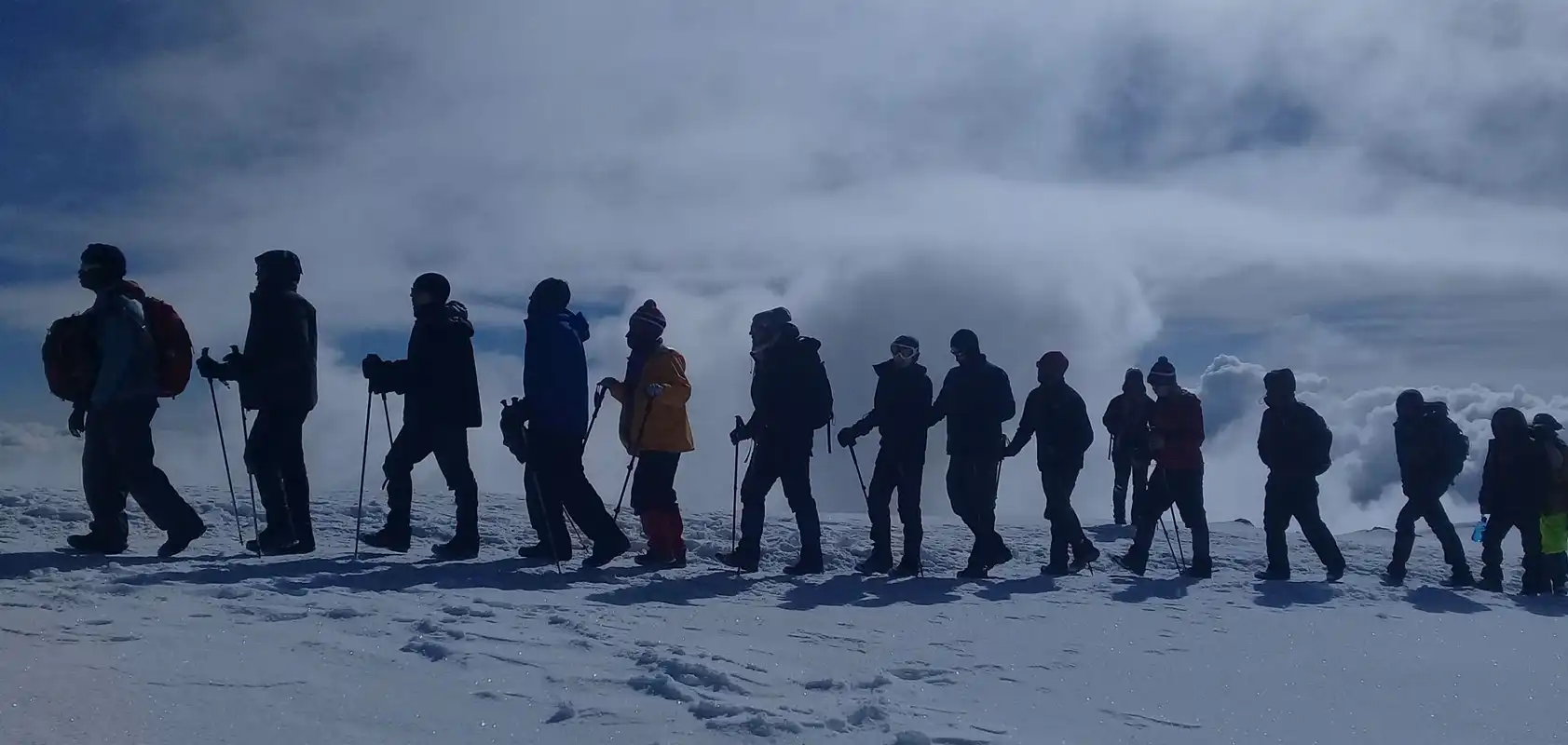
Every year, over 40,000 adventurers are drawn to its allure, seeking the thrill of conquering its slopes. What sets Kilimanjaro apart is its accessibility; climbers don’t need advanced technical skills, just a good level of fitness. It often marks the beginning of the Seven Summits journey for many.
With over a decade of experience guiding climbers to Kilimanjaro’s summit, we at Ajes Africa Adventure have meticulously crafted this guide to ensure your once-in-a-lifetime adventure is unforgettable.
There are seven routes to climb Mount Kilimanjaro. They all vary according to the price, scenery, difficulty, duration, popularity, success rate and accommodation options. From them, iconic mountain Kilimanjaro offers 5 prime routes. The top recommended Kilimanjaro Routes are;
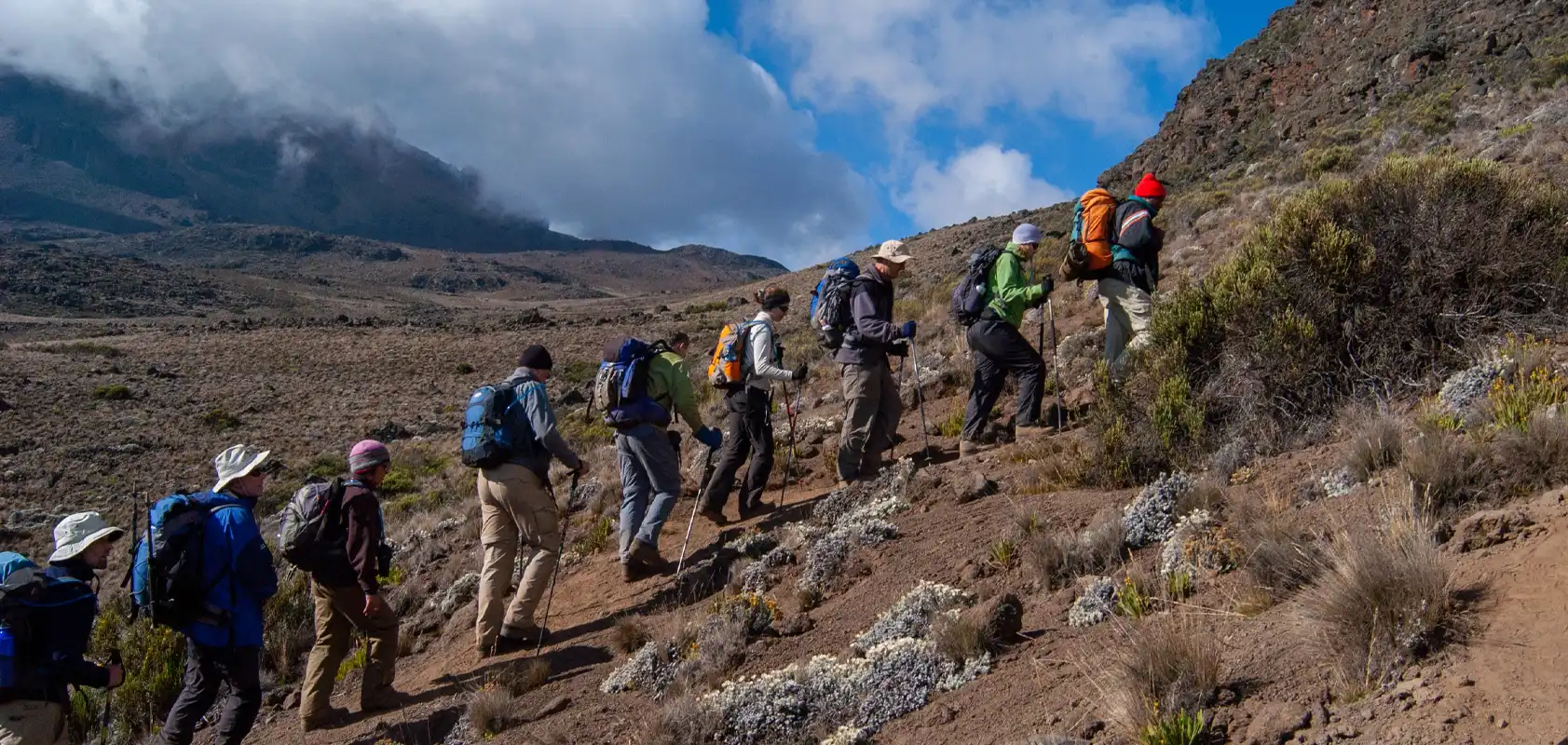
Who Can Climb Kilimanjaro? Anyone from children over the age of 10 to older generations in their 60s and 70s! All you need is the strength of mind and the willingness to get to the summit. The real difficulty with Kilimanjaro Climbing is the altitude and the rate of ascent. Don’t hesitate, we will be with you every step of the way! Our Kilimanjaro Climbing Guides are highly expert professionals and are a main factor in your success.
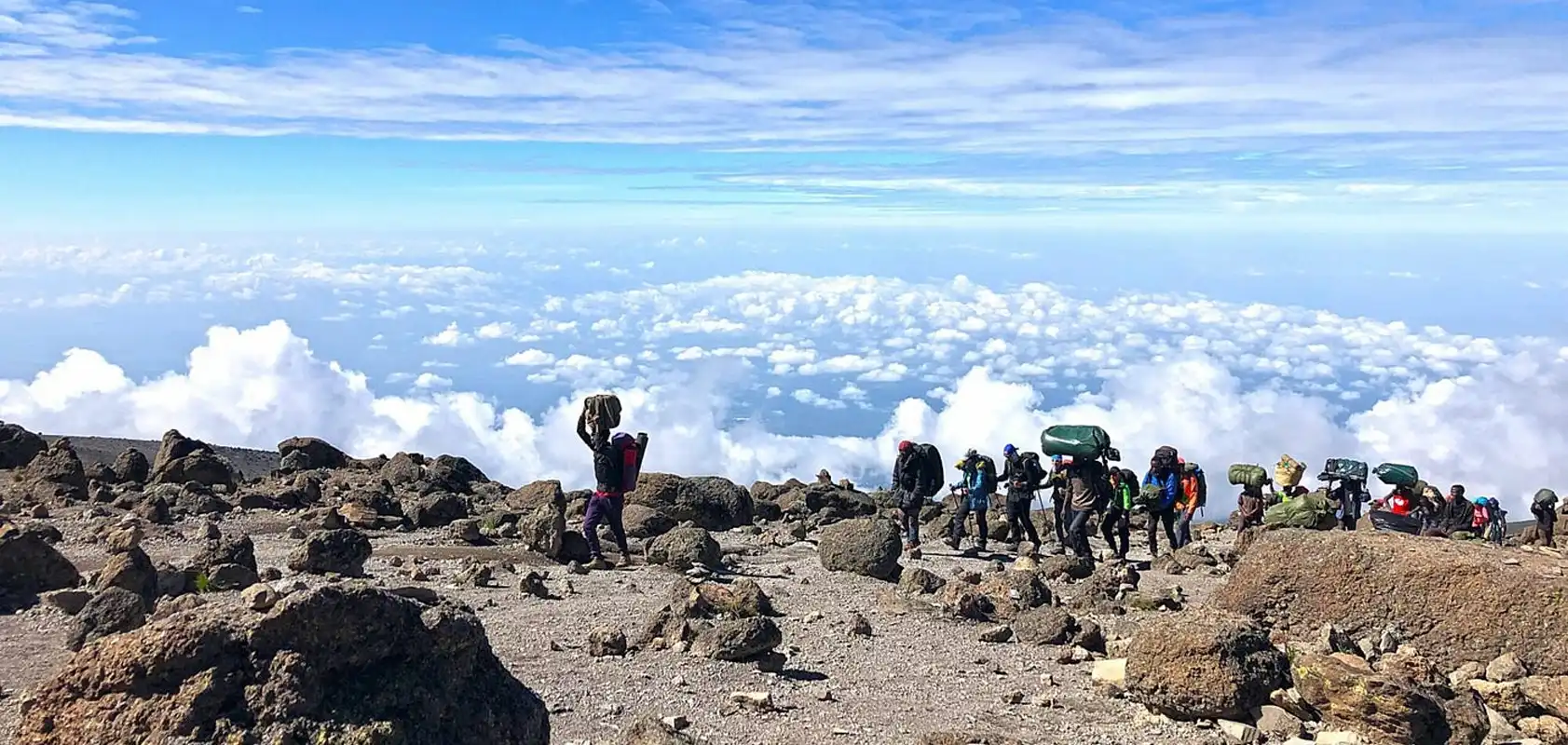
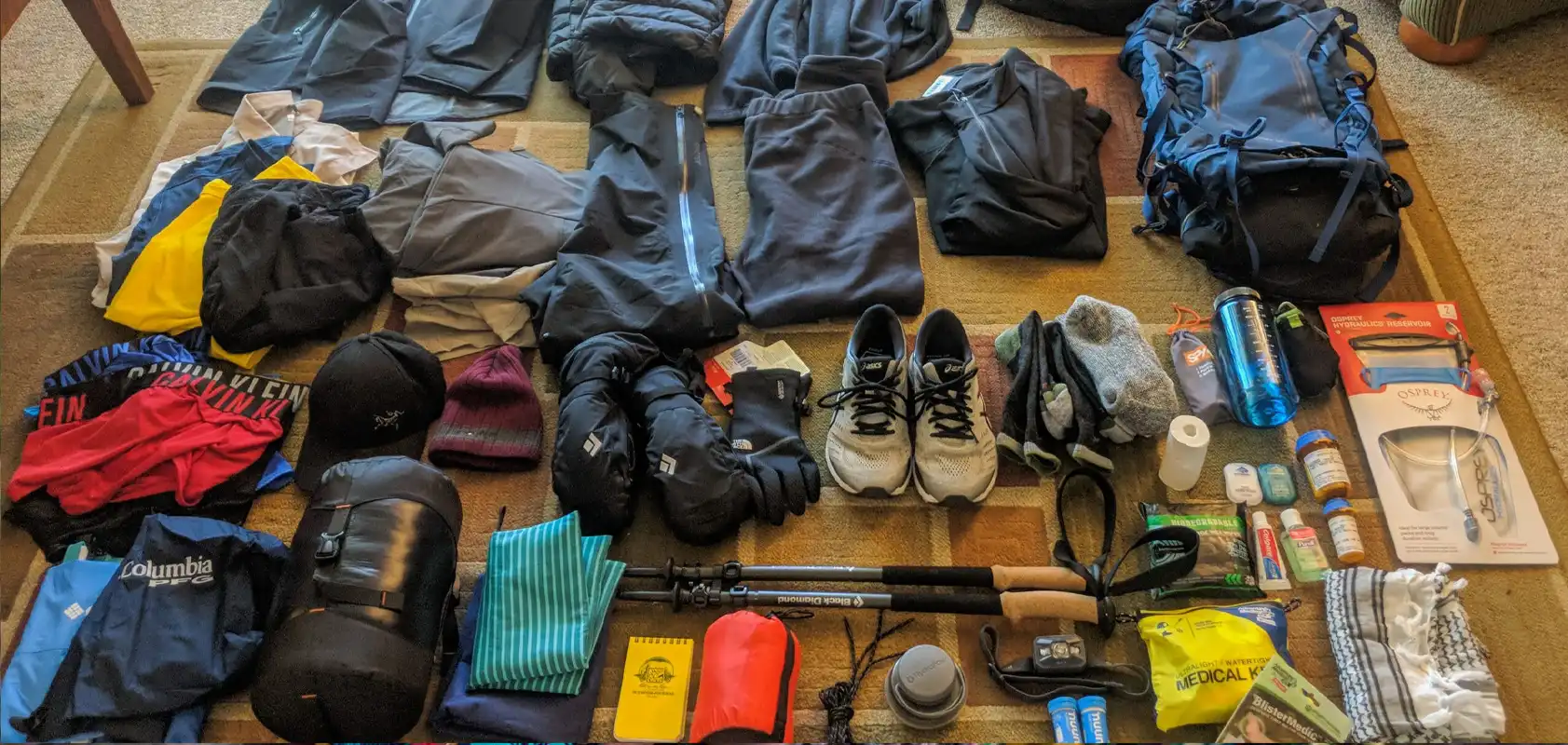
How To Climb Mount Kilimanjaro? The tour operator will pick you up from the Airport and you can get yourself prepared in the designated lodge. Once you meet your guide, you will be explained regarding the complete Climb Mount Kilimanjaro Packages. The weight of your gear will be checked and further proceeded to the gate where you will start Climbing Mount Kilimanjaro. You will be accompanied by a Kilimanjaro porter and guide on the climb. Remember, slow and steady wins the race. You should give more time for yourself to acclimatize the body and have a successful Kilimanjaro Climbing Summit.
TOP Classic Mount Kilimanjaro climbing Itineraries
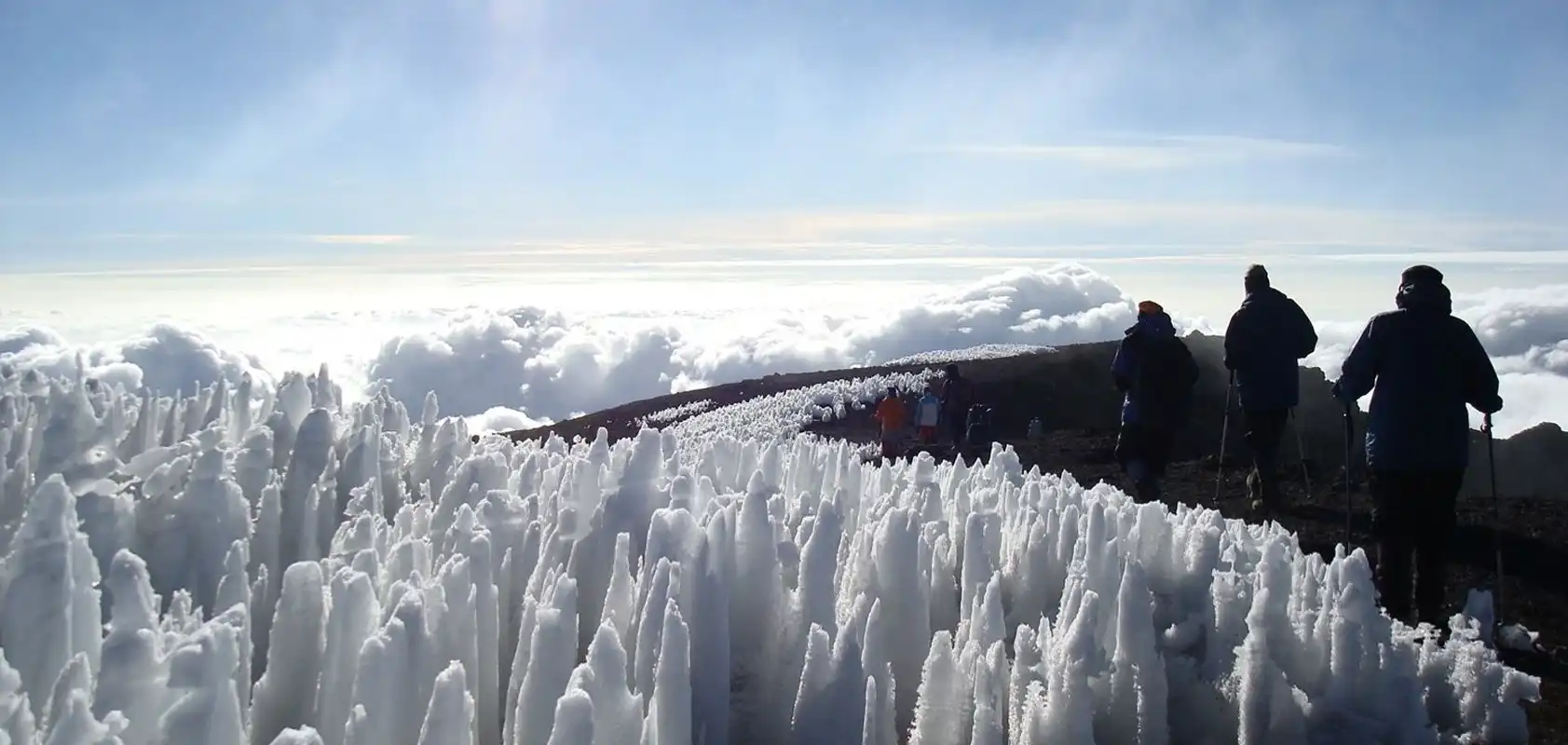
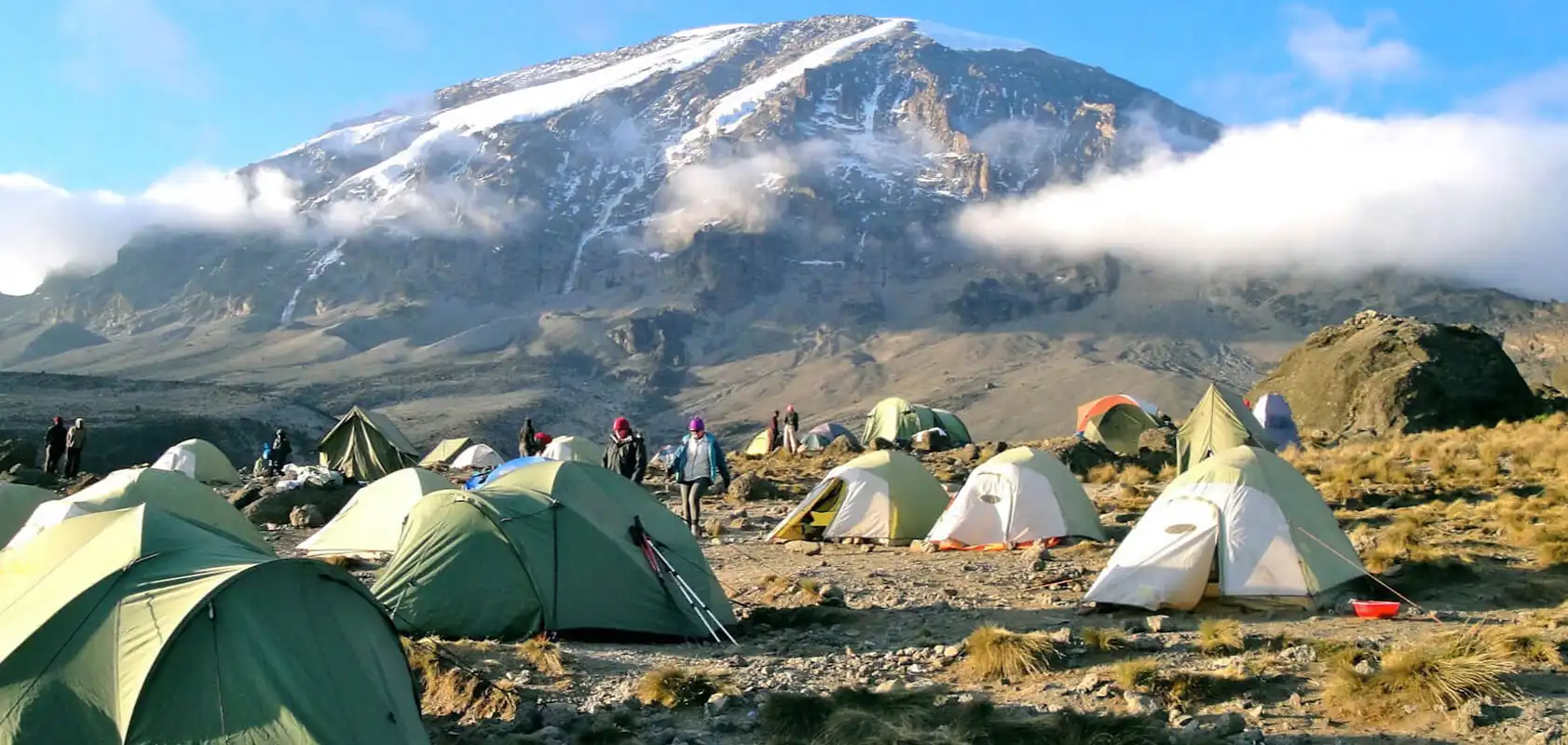
Kilimanjaro itineraries typically range from five to nine days, with routes such as Marangu, Machame, and Lemosho offering varying levels of difficulty and scenic diversity. Each route provides a unique experience, from lush rainforests to alpine deserts, culminating in the breathtaking view from Uhuru Peak.
No results available
We’ve gathered essential insights to prepare you for your Kilimanjaro climb. Discover valuable hints, tips, tricks, and recommendations in our comprehensive, free guide
We help you plan your dream holiday in Tanzania! We show you how to plan your trip in such a way that you may experience it as a lifetime safari experience.

We are a dedicated team of safari enthusiasts deeply passionate about the wonders of Africa.