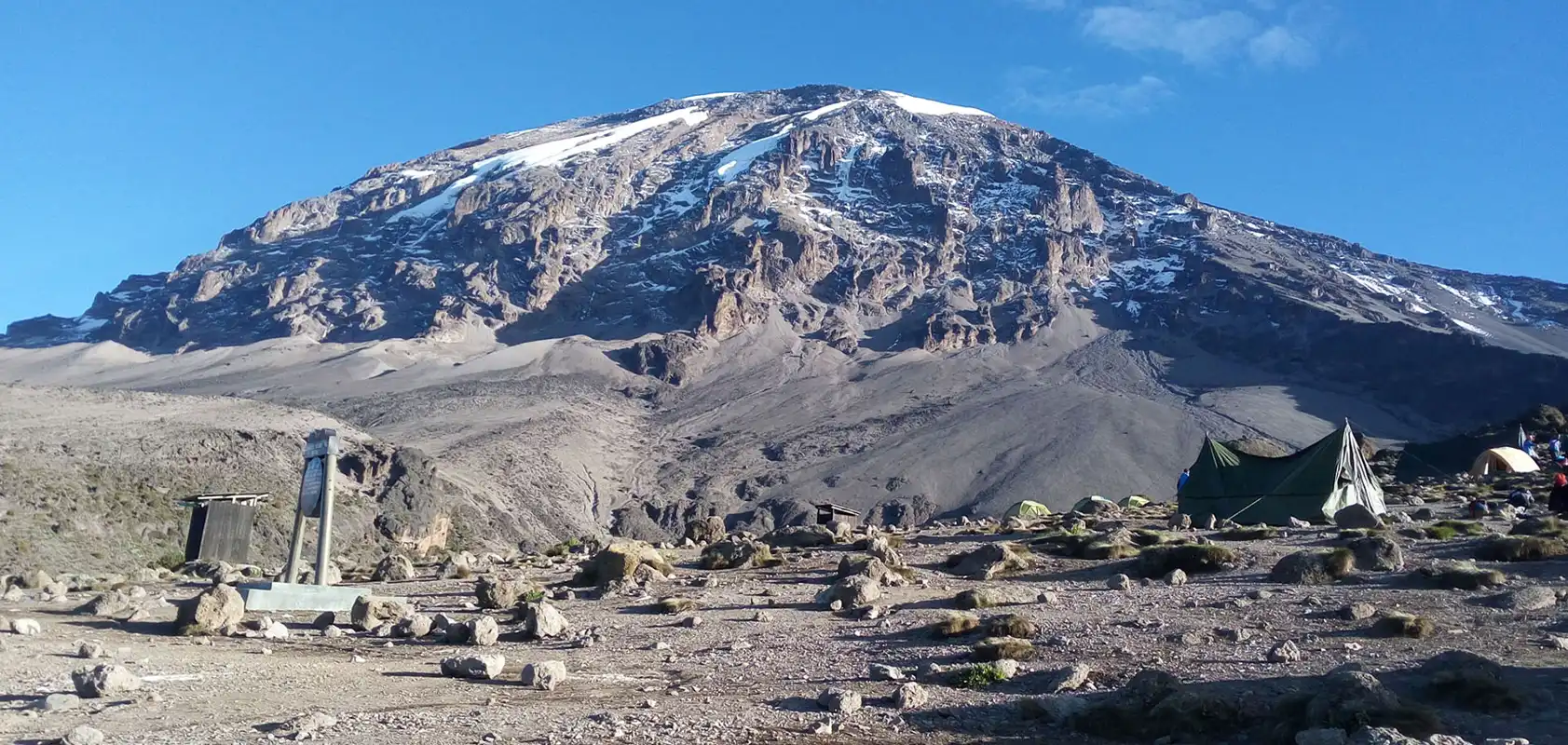
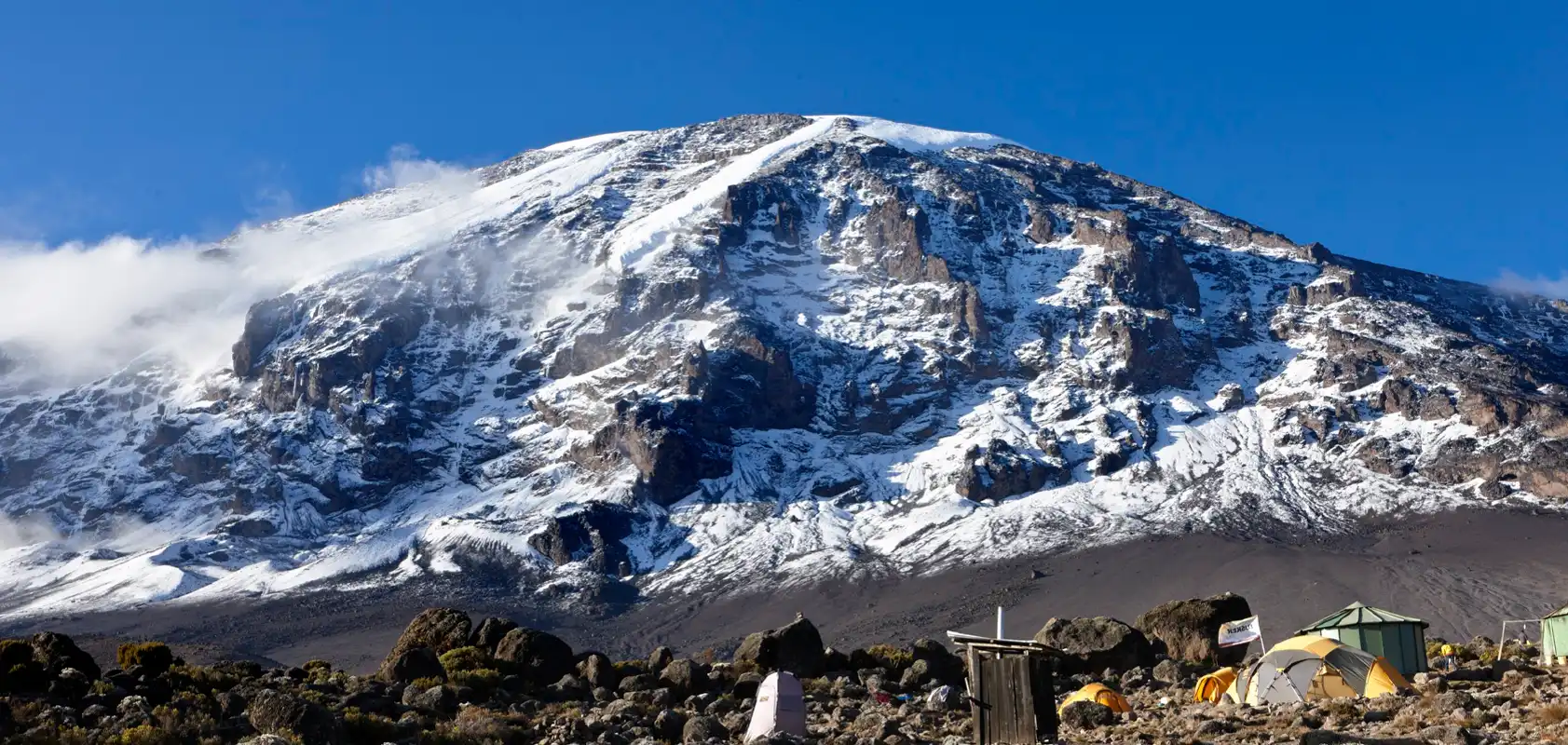
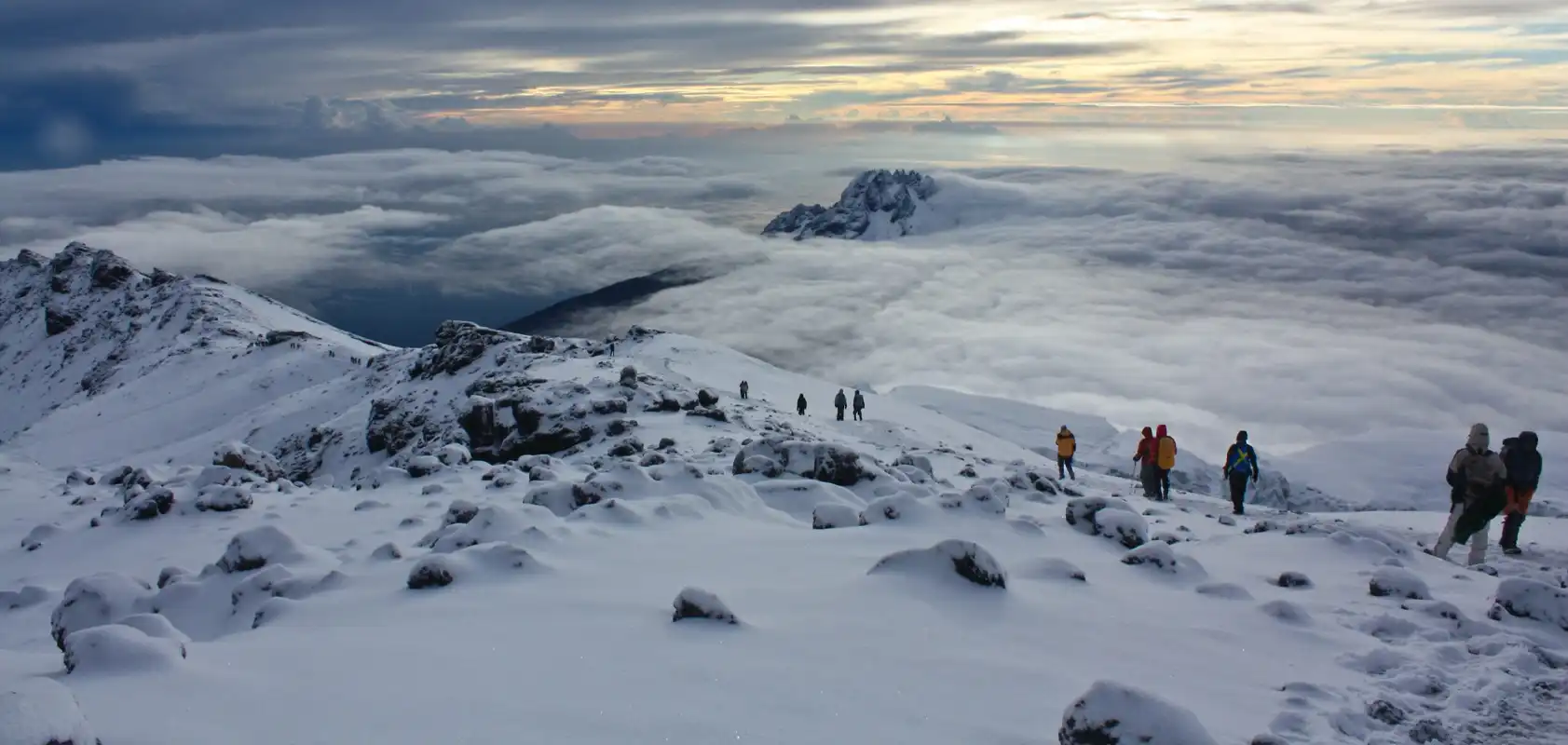
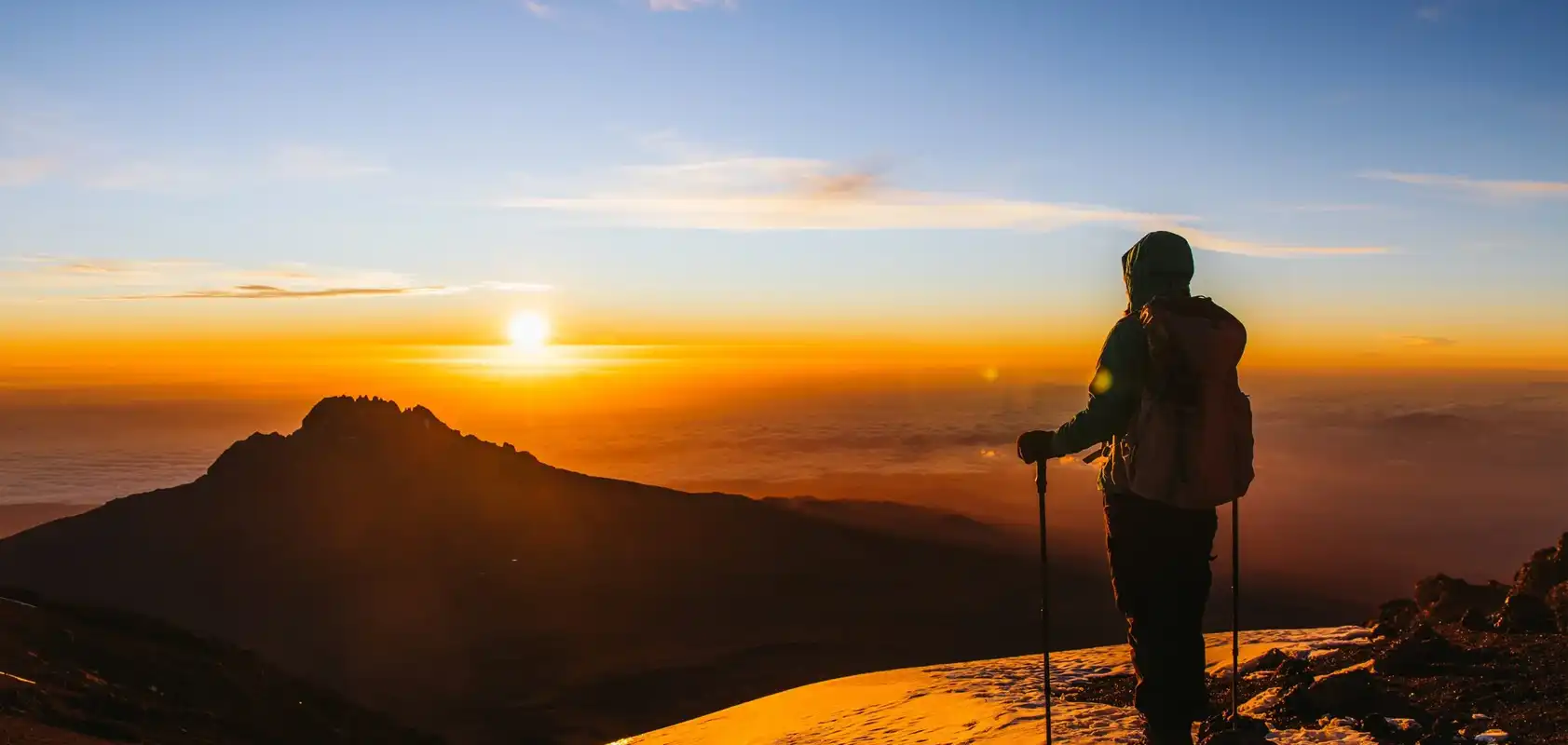
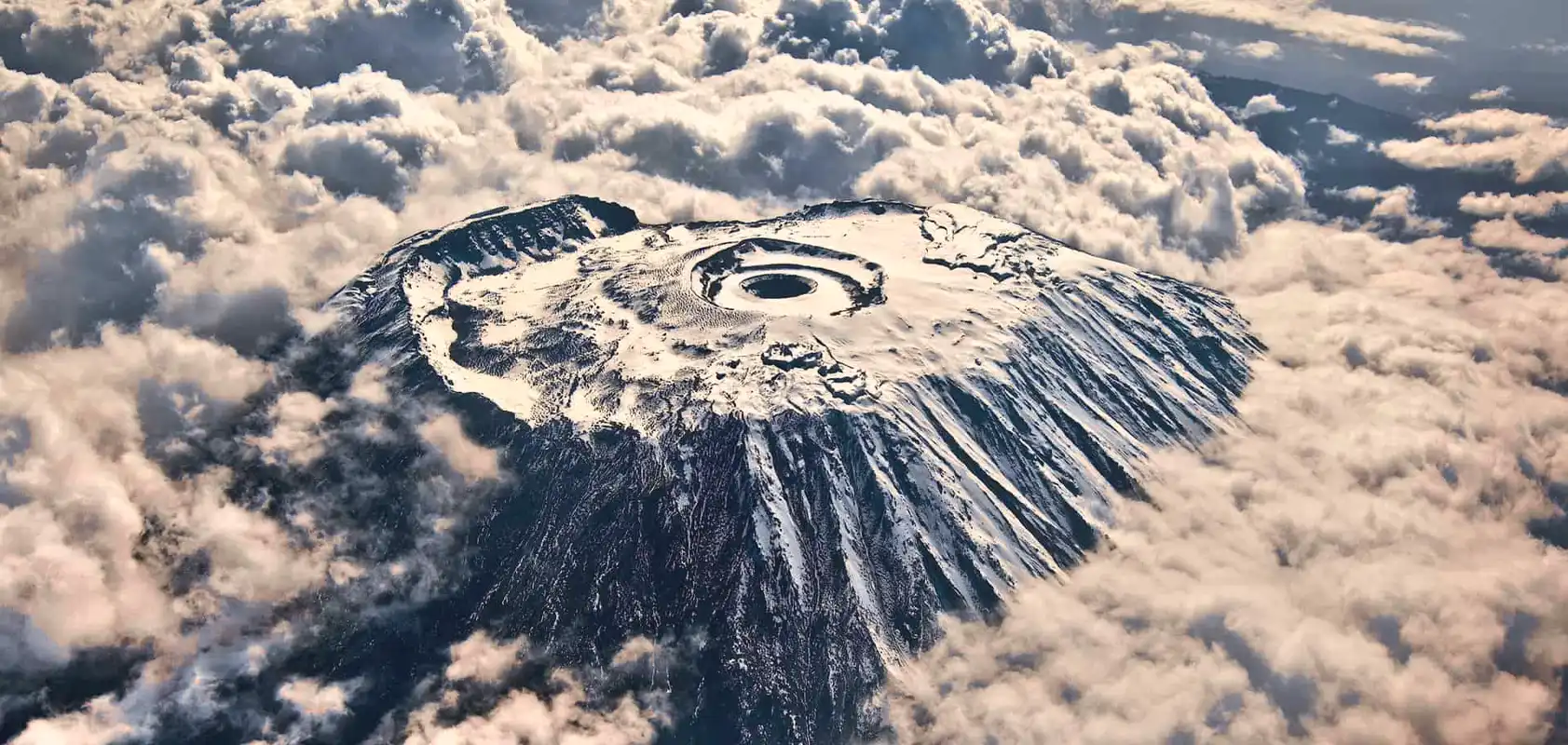
The northern Rongai route offers a relatively “easy” climb, a high success rate, a gradual and steady ascent, plus wildlife watching in the wilderness. The main draw of this Kilimanjaro route is the chance to get away from the crowds, so you can enjoy the incredible scenery. The six-day route via Mawenzi Tarn staying in well-staggered camps also means you’ll have more time to acclimatize and less risk of altitude sickness.
Although considered to be less scenic than the Lemosho and Machame routes, there are still oases of wilderness, especially on the later days of the hike and the camp beneath Mawenzi Peak is noted as one of the most scenic on the mountain. An additional benefit of the Rongai route is than the northern side of Kilimanjaro tends to be drier, so weather conditions are more favourable for climbing and camping. This is a big plus to consider if you’re trekking during Tanzania’s wetter seasons.
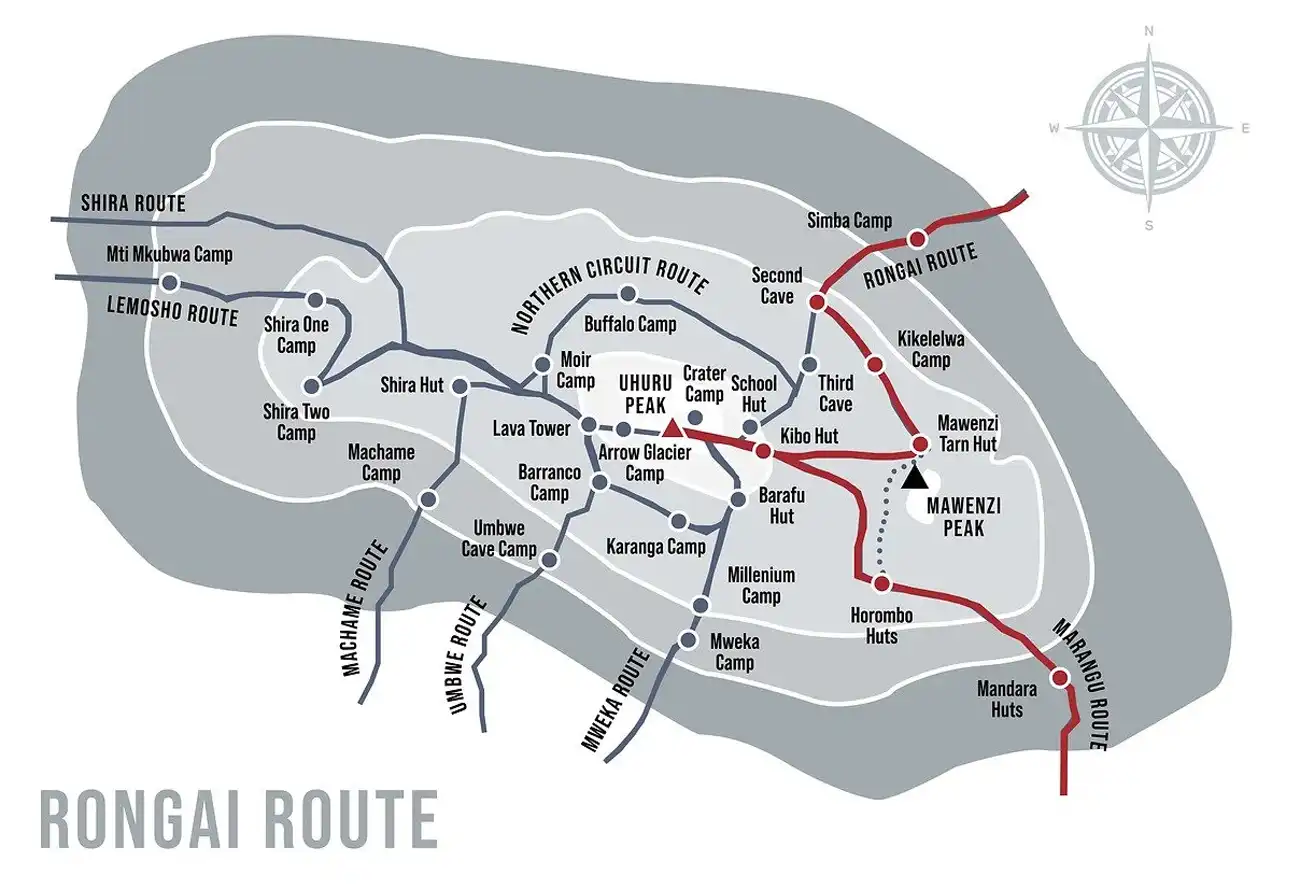
The Rongai route presents a moderate level of difficulty, making it an ideal choice for adventurous backpackers seeking a memorable trek. Despite its challenges, it is highly recommended for its unique features and wildlife encounters.
1. Wildlife Encounters: The Rongai route starts from the northern side of the mountain, offering trekkers the opportunity to traverse through areas with a high density of wildlife. Spotting large antelopes, elephants, and buffalo adds an exciting dimension to the trek.
2. Acclimatization and Altitude: Opting for the Rongai Route 7 Days itinerary provides an additional day for acclimatization, allowing climbers to adjust gradually to the altitude. This helps mitigate the risk of altitude sickness and enhances overall safety and enjoyment of the journey.
3. Less Crowded: Unlike some of the more popular routes on Kilimanjaro, the Rongai route is less crowded, offering a more solitary and immersive experience in nature. This allows trekkers to soak in the tranquility of the surroundings and enjoy the route at their own pace.
4. Unique Starting Point: The Rongai Route stands out as the only route that commences from the northern circuit of Kilimanjaro. This unspoiled path provides unparalleled visibility of wildlife and offers a distinct perspective of the mountain.
5. Favorable Success Rate: With a success rate ranging from 80% to 90%, the Rongai route is renowned for its favorable summit success rate. Its gradual ascent and strategic acclimatization contribute to fewer altitude-related issues and a higher likelihood of reaching the summit.
6. Flexible Itinerary Options: Trekkers can choose between the Rongai Route 6 Days and Rongai Route 7 Days itineraries, both offering unique advantages. The 7-day itinerary is highly recommended for its additional day for acclimatization, enhancing climbers’ chances of summiting successfully.
7. Distance Covered: The Rongai route spans approximately 76 kilometers from gate to gate, offering trekkers a varied and rewarding journey through diverse landscapes and ecosystems.
Day-wise Distance Breakdown:
8. Summit Success Rate: The Rongai Route boasts a summit success rate of 80% to 90% with the standard 6-day itinerary and up to 90% with the 7-day itinerary. Proper acclimatization and strategic pacing contribute to its impressive success rates.
We strive to equip climbers with comprehensive guidance and resources for a successful summit on the Rongai Route. Join us for an unforgettable adventure on Kilimanjaro’s lesser-trodden path!
Ready to conquer Kilimanjaro via the scenic and rewarding Rongai Route? Contact We to begin planning your journey to the Roof of Africa. With our expertise and dedication, we’ll help you embark on an adventure of a lifetime with confidence and excitement. Start your Kilimanjaro climb today with one of the industry leaders!
No results available
Certainly! Here are some frequently asked questions (FAQs) about Kilimanjaro Climb:
Get advice and suggestions to make this your perfect trip.
We’ve gathered essential insights to prepare you for your Kilimanjaro climb. Discover valuable hints, tips, tricks, and recommendations in our comprehensive, free guide
Journey through the heart of Tanzania’s wild landscapes with our expertly guided safaris
Standing at 5,895 meters, the summit of Kilimanjaro is the highest point in Africa
We help you plan your dream holiday in Tanzania! We show you how to plan your trip in such a way that you may experience it as a lifetime safari experience.

We are a dedicated team of safari enthusiasts deeply passionate about the wonders of Africa.