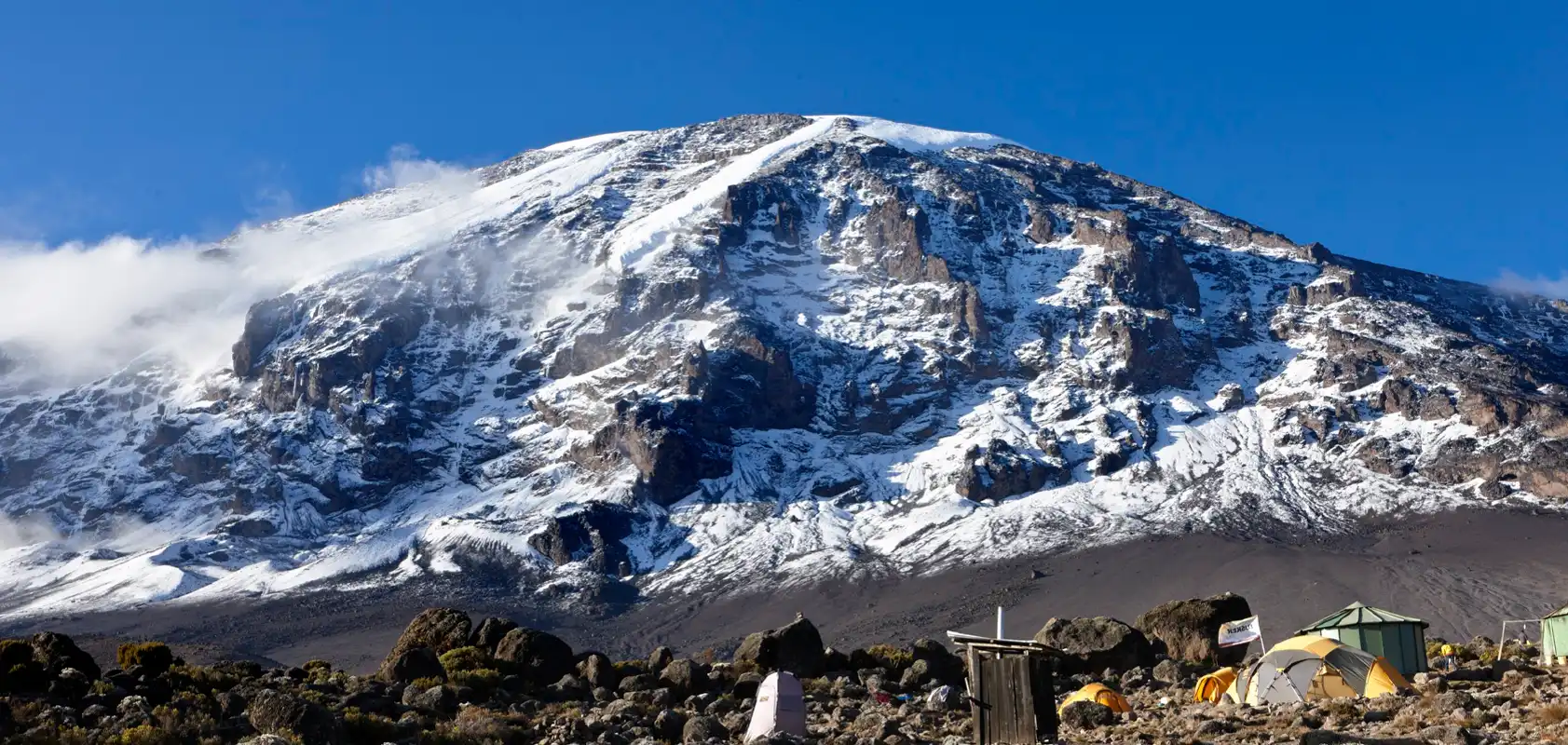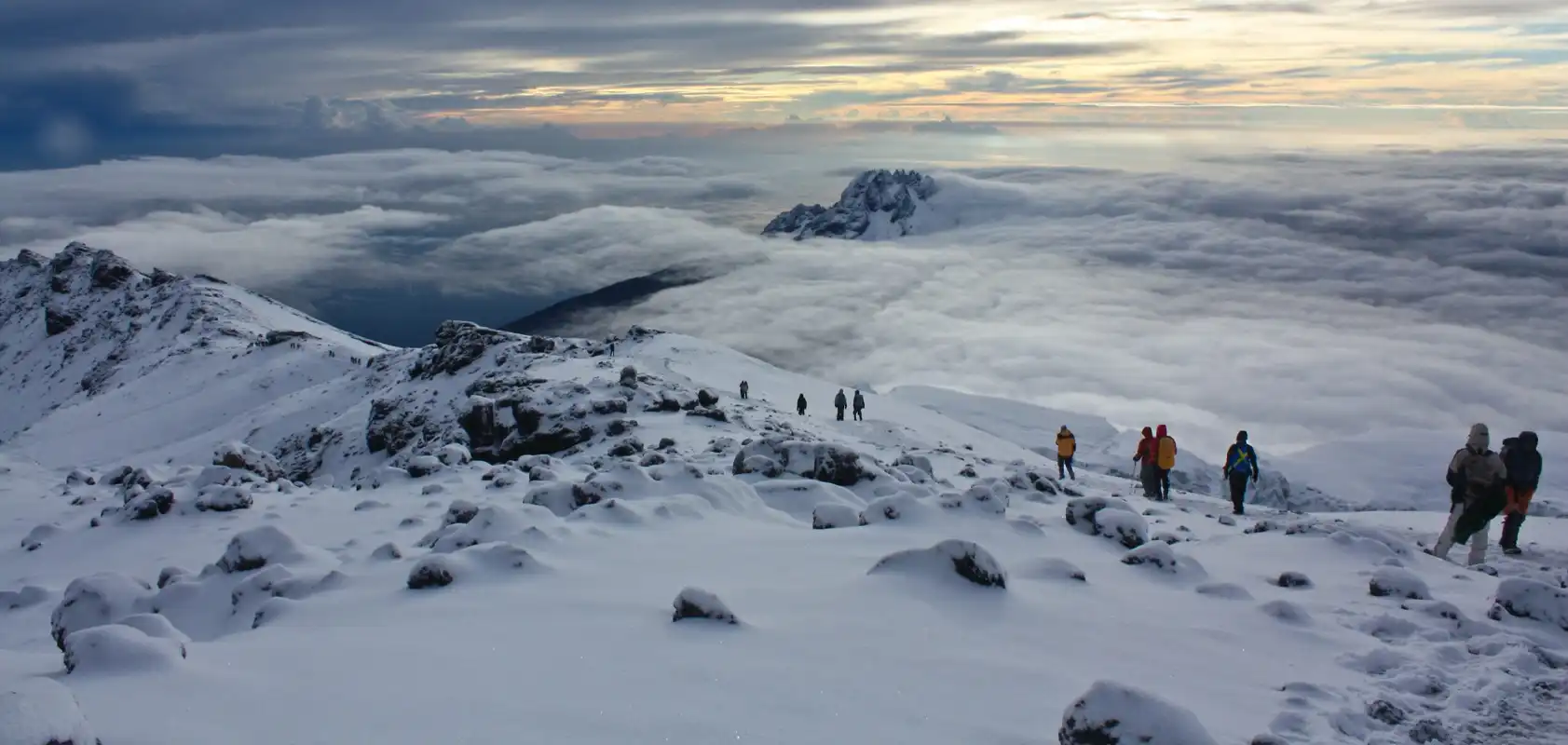
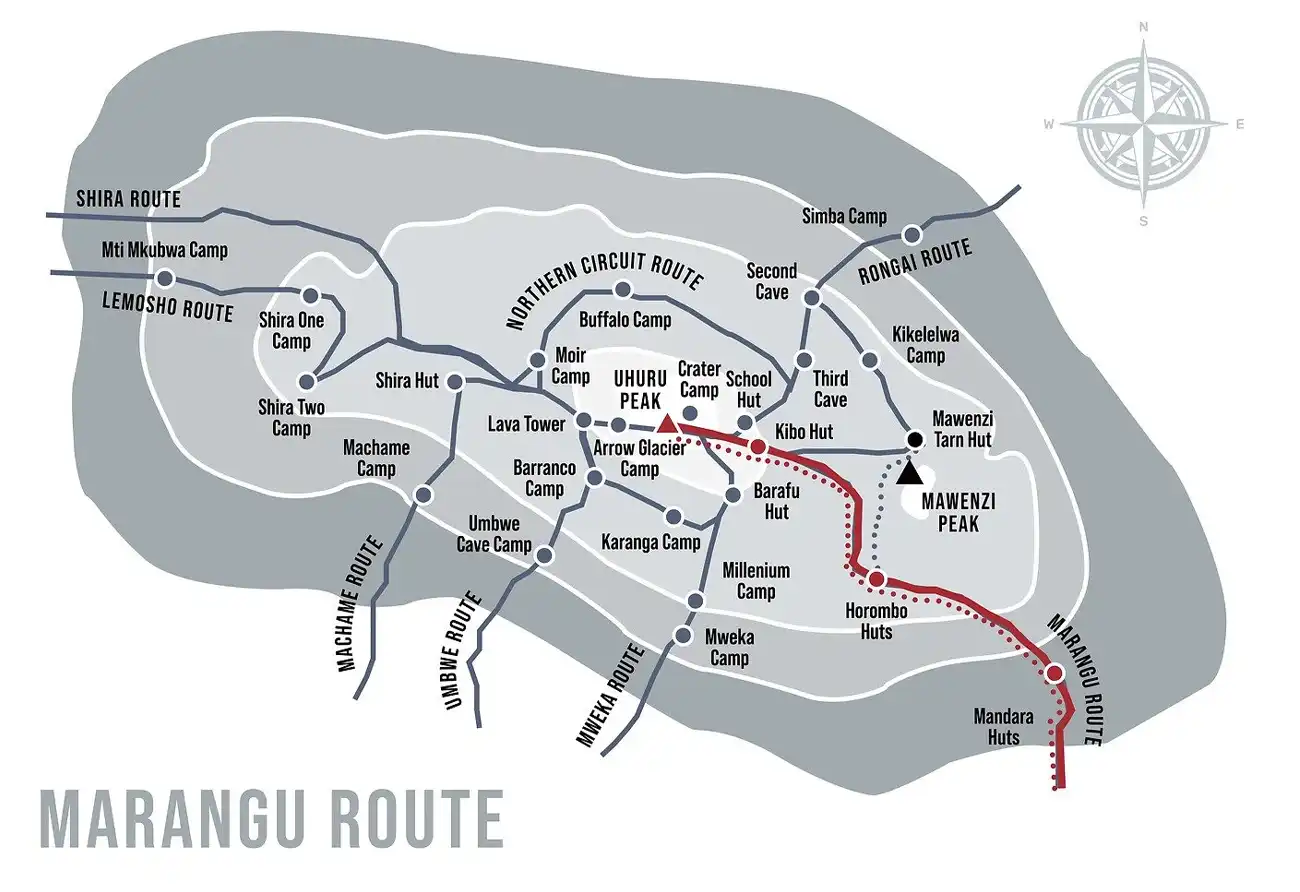
Often nicknamed the “Coca Cola” route for its popularity, the Marangu Route is the only Kilimanjaro route that uses the same path up and down, adding to the frustration of those trying to ascend and descend in the same space. The “Coca Cola” moniker also refers to the fact that the Marangu route is considered a much easier climb (at least, until the last day of the hike) via a comfortable walking path with a very steady, gradual slope, and therefore used by many unprepared tourists, rather than serious trekkers.
The Marangu Route begins in the southeast and approaches Uhuru Peak via Gilman’s Point, with the same trail being used in the descent. However, the biggest benefit of the Marangu Route is that there is hut accommodation. Though certainly not luxurious, this may be the best option for those who cannot camp, for whatever reason.
Embarking on a Kilimanjaro adventure is a monumental decision, and selecting the right route is crucial for a successful and memorable climb. The Marangu Route, often referred to as the “Coca-Cola Route,” stands out as the preferred choice for many climbers. Here’s an in-depth look at why the Marangu Route may be the perfect option for your Kilimanjaro expedition:
1. Easiest Path to the Summit:
Renowned for its gradual slope and direct path to the summit, the Marangu Route is considered the easiest route on Kilimanjaro. Its gentle gradient and well-maintained trails make it accessible to climbers of various fitness levels.
2. Hut Accommodation:
Unlike other routes that require camping, the Marangu Route offers comfortable hut accommodation at designated campsites. These huts provide shelter, beds, and basic amenities, eliminating the need to carry camping gear and enhancing overall comfort during the trek.
3. Minimal Porters Needed:
With hut accommodation available along the route, climbers require fewer porters to carry equipment and supplies, resulting in a more streamlined and cost-effective expedition.
4. Flexibility with Duration:
Whether you opt for the standard Marangu Route 5 Days or choose to extend your journey with the Marangu Route 6 Days, you’ll have the flexibility to tailor your climb to suit your preferences and acclimatization needs.
5. Direct Ascent, Limited Acclimatization:
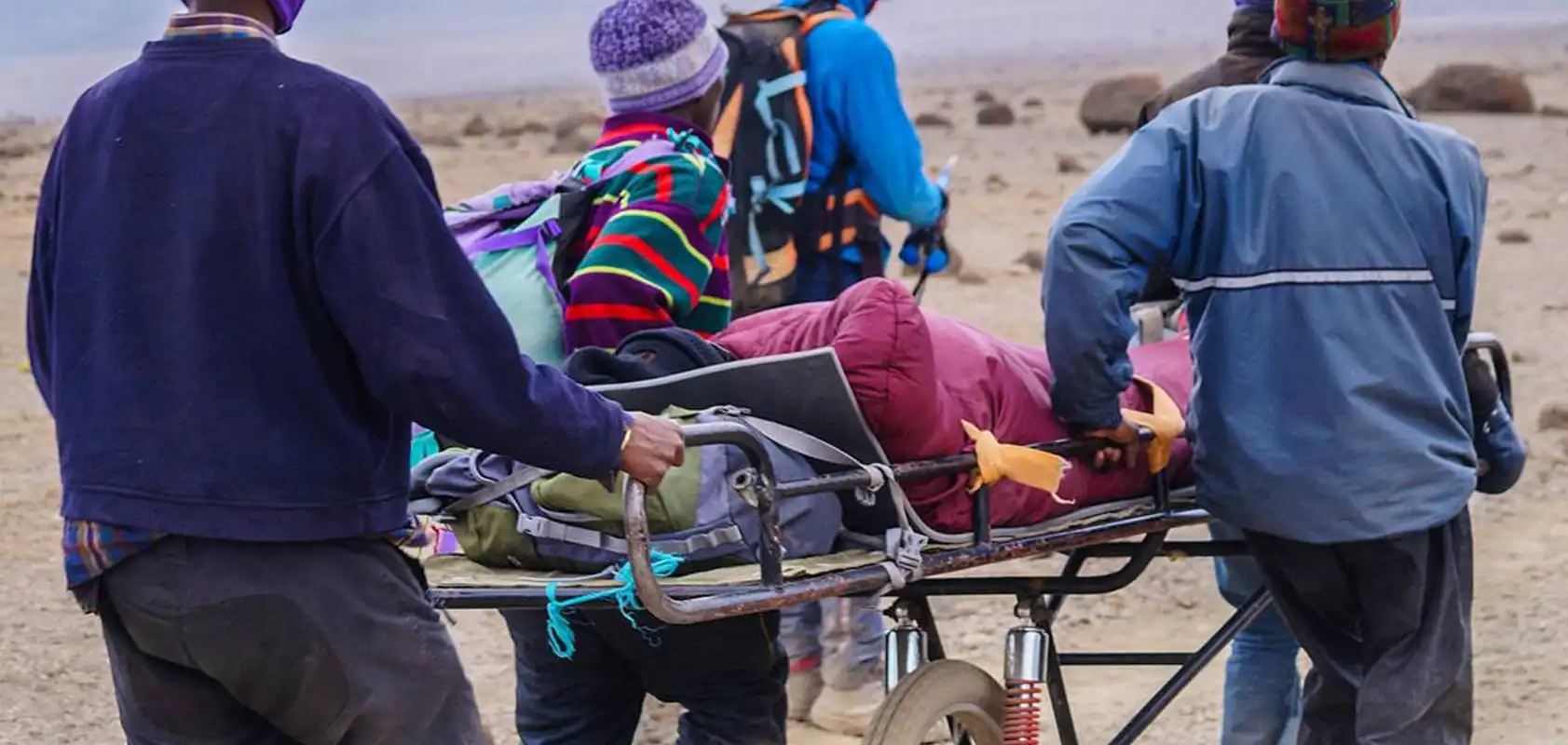
While the Marangu Route boasts a straightforward ascent and descent along the same path, climbers may face challenges related to altitude acclimatization. The lack of sufficient acclimatization time on the standard 5-day route increases the risk of altitude sickness.
6. Importance of Acclimatization:
Opting for the Marangu Route 6 Days provides an additional day for acclimatization, allowing climbers to adjust gradually to the altitude and reduce the likelihood of altitude-related complications.
7. Total Distance and Itinerary:
Spanning approximately 68 km from gate to gate, the Marangu Route offers a well-paced itinerary with strategically planned distances for each day of the trek. From the initial trek to Mandara Hut to the final push to the summit at Uhuru Peak, every step of the journey is meticulously planned for your comfort and safety.
8. Success Rate and Acclimatization:
The success rate of the Marangu Route typically ranges between 60% to 70%. However, climbers who opt for the extended 6-day itinerary and prioritize acclimatization may significantly improve their chances of reaching the summit.
We understand the significance of choosing the right route for your Kilimanjaro climb. Our team of experienced guides and support staff is dedicated to providing you with an unforgettable journey to the Roof of Africa. From expert guidance to personalized itineraries, we’re here to ensure your Kilimanjaro adventure is safe, enjoyable, and successful.
Ready to embark on the adventure of a lifetime? Contact We to begin planning your Kilimanjaro expedition. With our wealth of experience and commitment to excellence, we’ll guide you every step of the way, from selecting the ideal route to reaching the summit of Kilimanjaro. Let us turn your dream of climbing Africa’s highest peak into a reality!
No results available
Certainly! Here are some frequently asked questions (FAQs) about Kilimanjaro Climb:
Get advice and suggestions to make this your perfect trip.
We’ve gathered essential insights to prepare you for your Kilimanjaro climb. Discover valuable hints, tips, tricks, and recommendations in our comprehensive, free guide
Journey through the heart of Tanzania’s wild landscapes with our expertly guided safaris
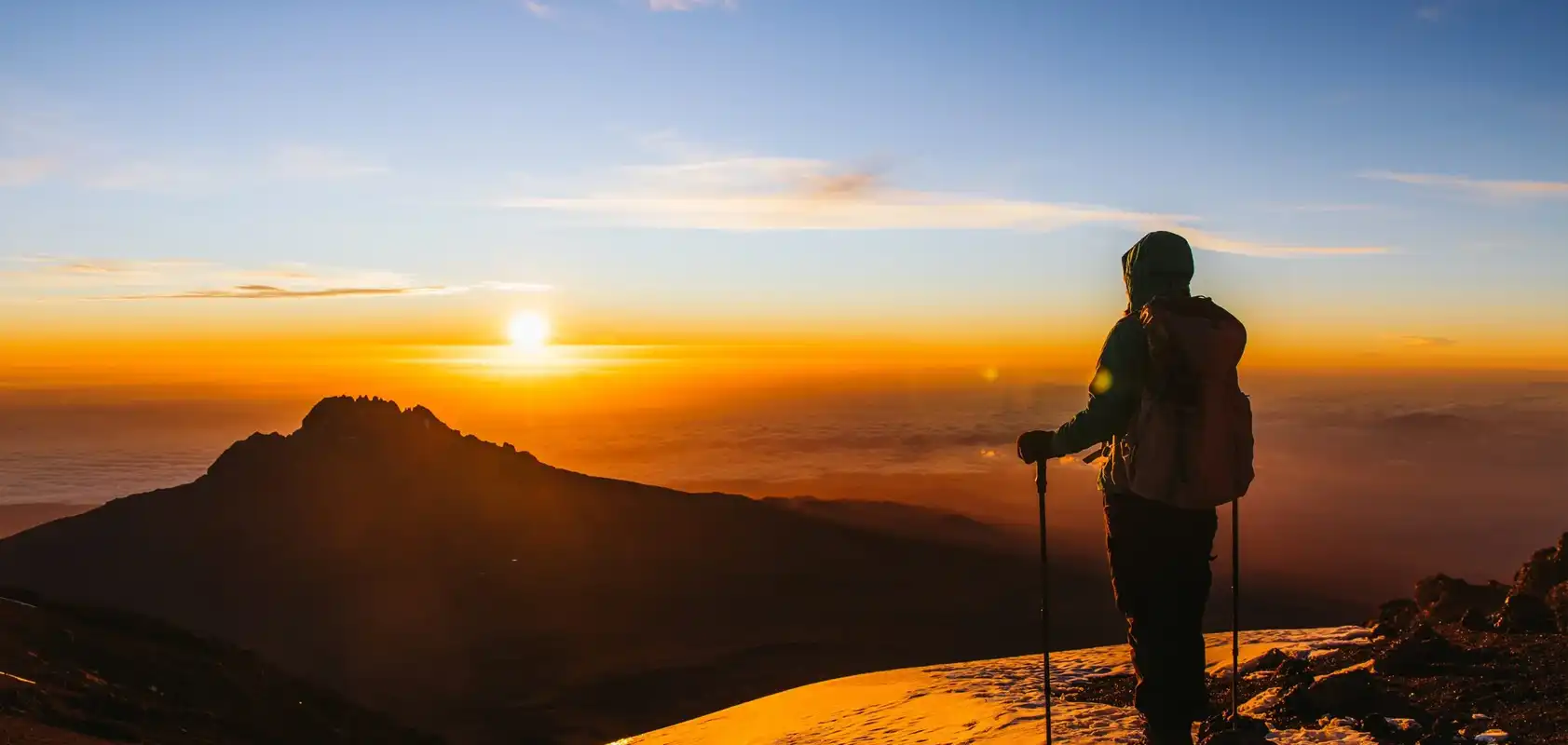
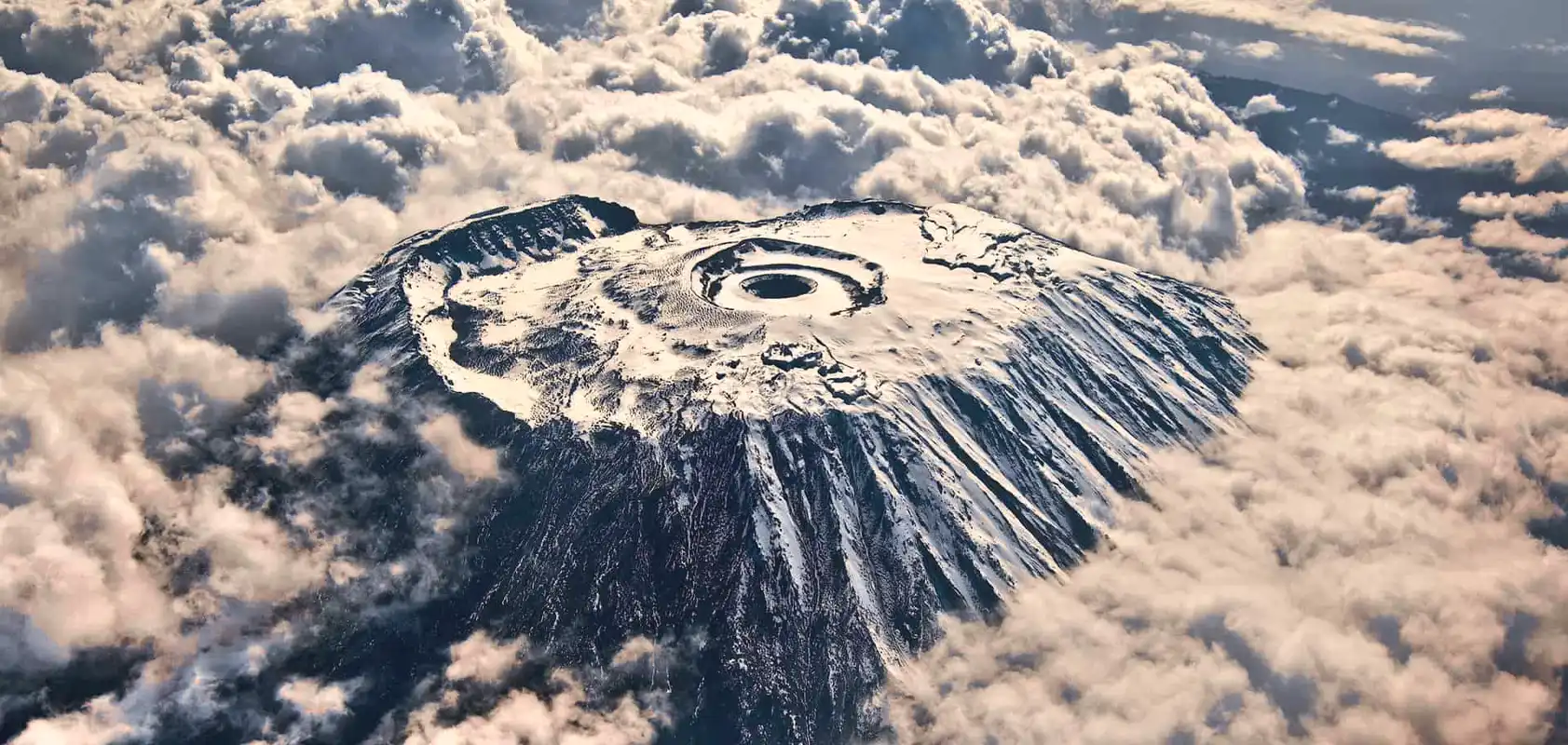
Standing at 5,895 meters, the summit of Kilimanjaro is the highest point in Africa
We help you plan your dream holiday in Tanzania! We show you how to plan your trip in such a way that you may experience it as a lifetime safari experience.
We are a dedicated team of safari enthusiasts deeply passionate about the wonders of Africa.