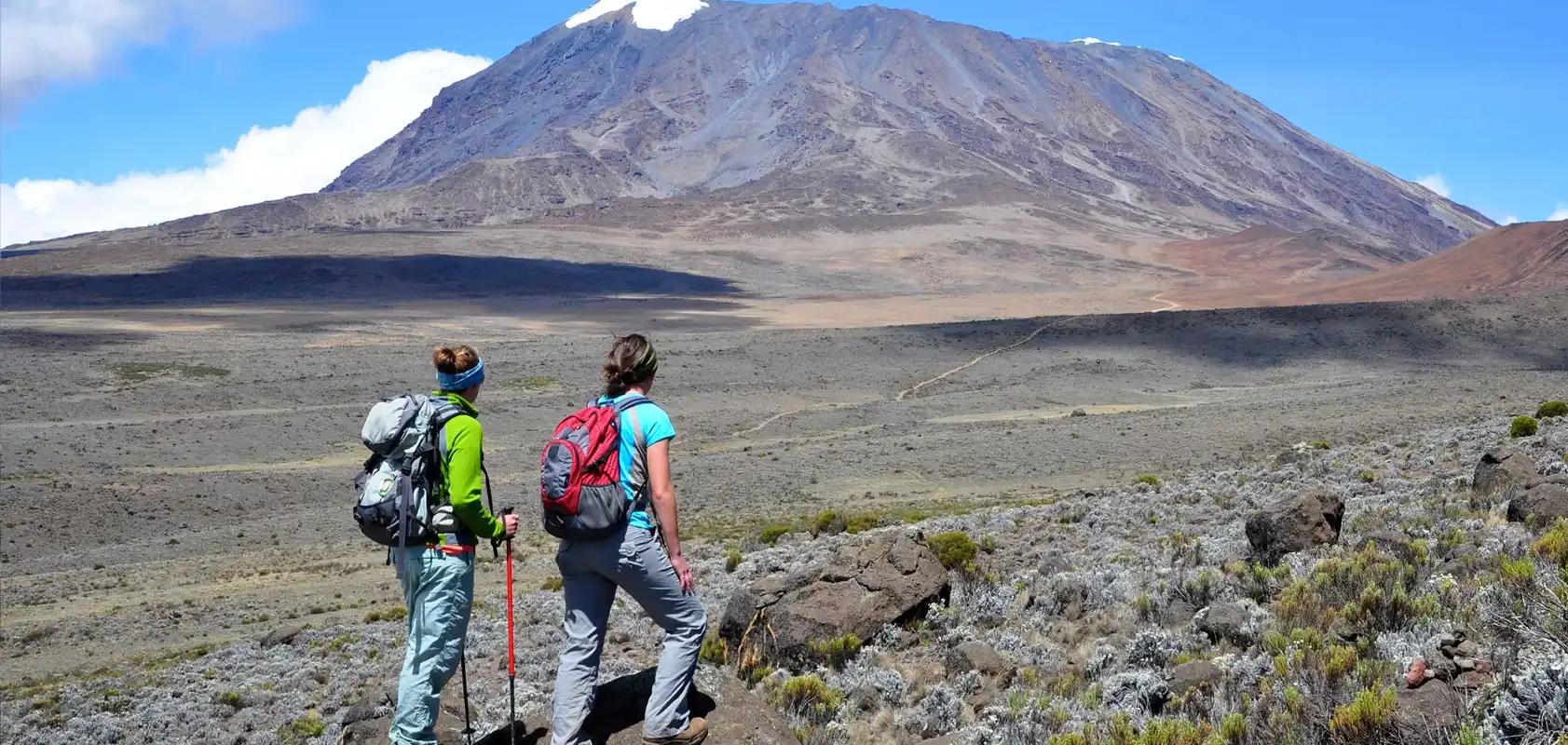
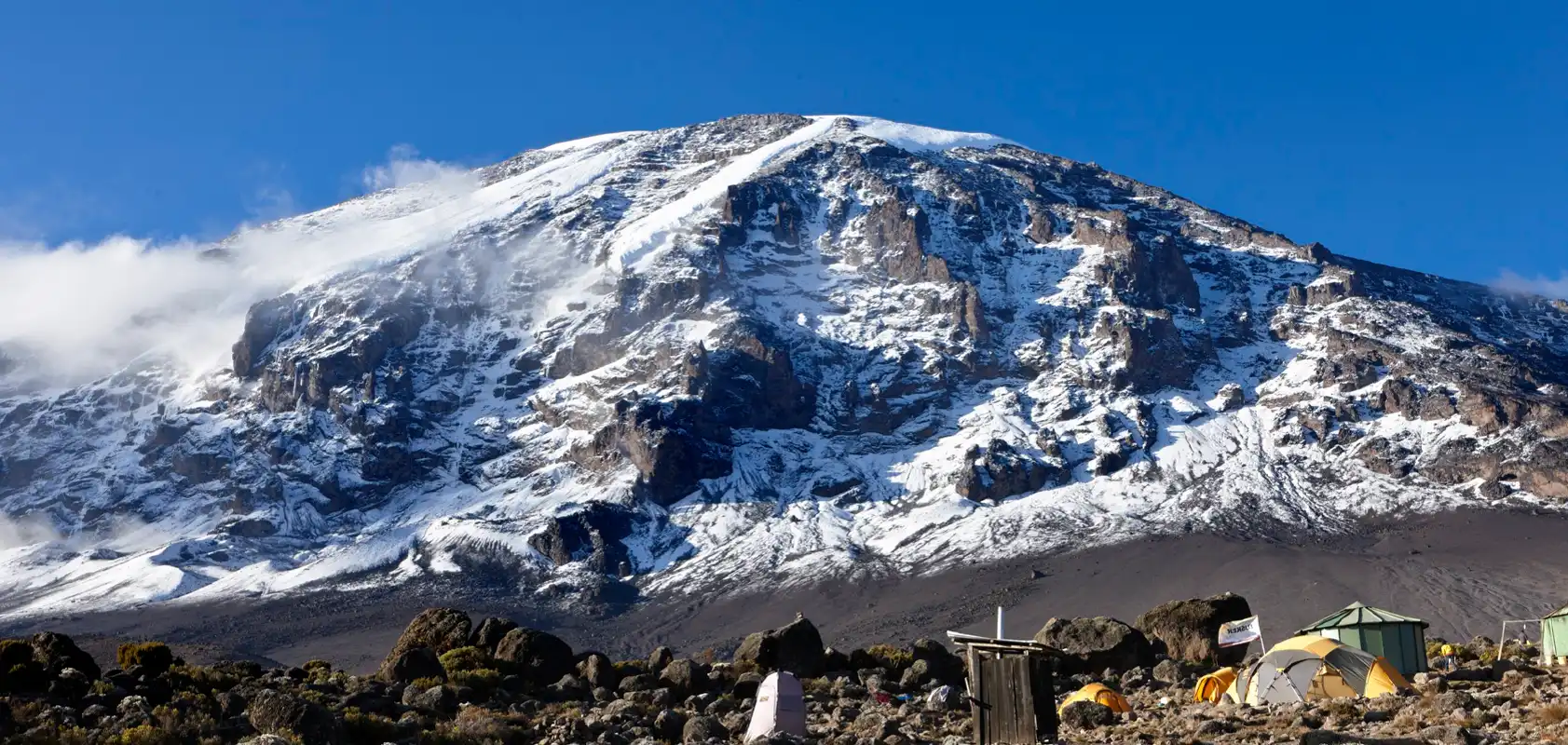
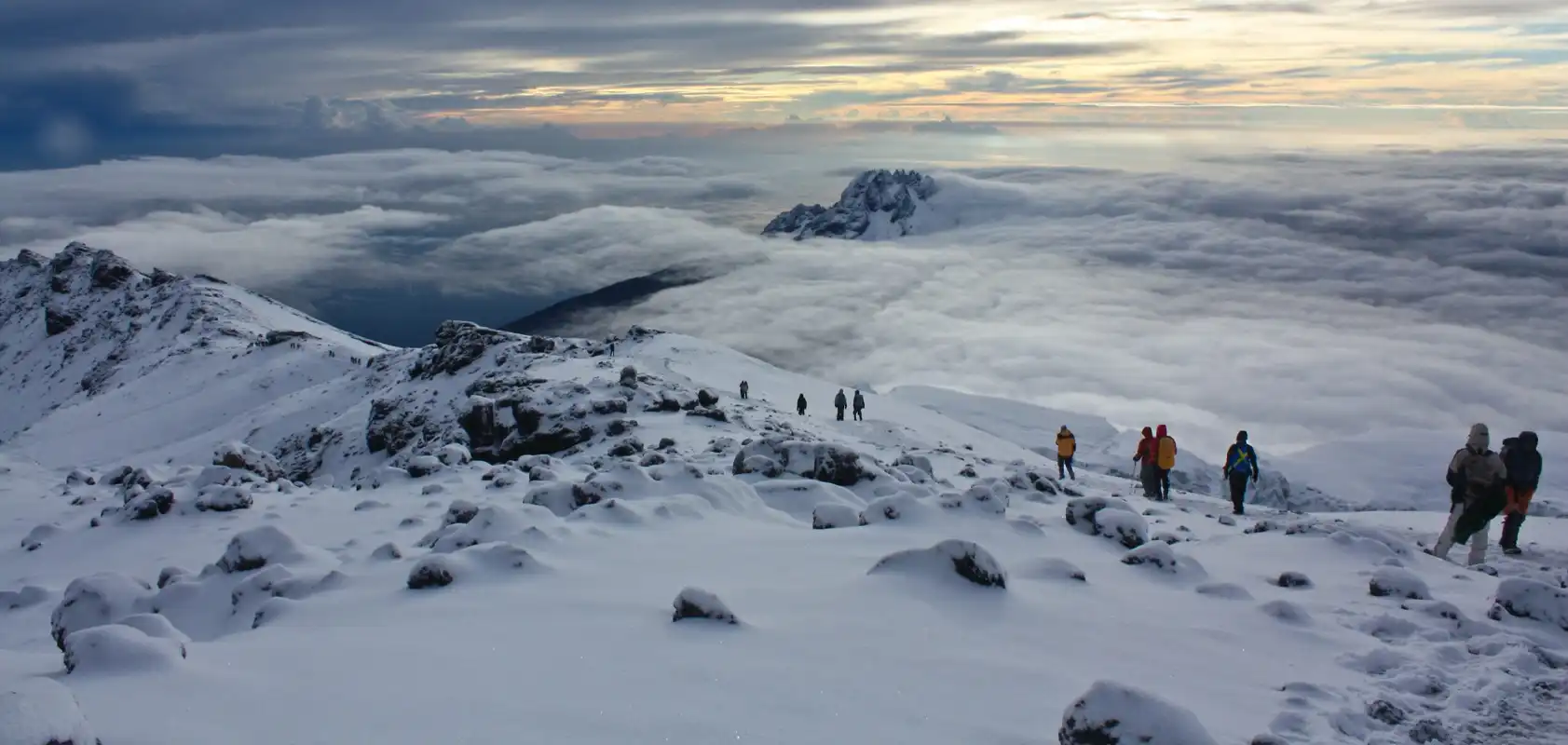
The most demanding, steep and exposed Kilimanjaro route, the Umbwe Route is arguably also the most spectacular in terms of scenery. However, this is only a real option for highly experienced climbers, due to the difficulty of the trails.
The short and challenging beginning ascent to Barranco camp takes two days (on the Lemosho and Machame trails this journey takes three to four days). The lack of time for acclimatization is also a factor to consider, as this is one of the reasons why the Umbwe route has a lower success rate. The first two days are the most difficult, with parts of the trail on the first day so steep that tree roots must be used as steps to climb and handles to pull yourself up.
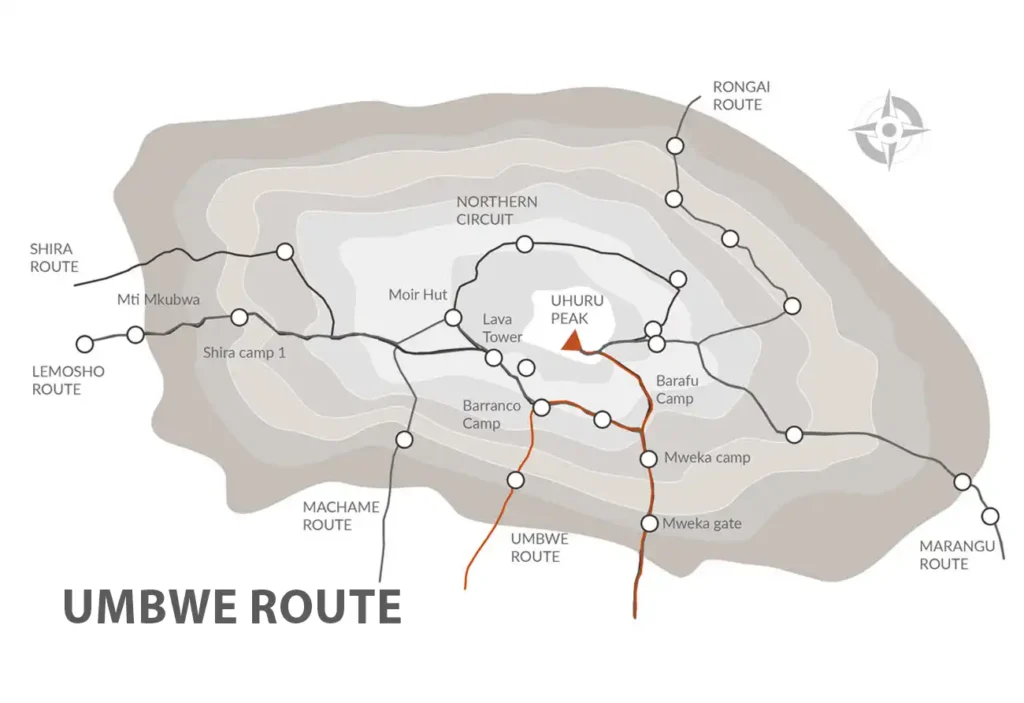
The Umbwe route offers a challenging yet exhilarating trekking experience, making it a preferred choice for seasoned adventurers seeking an adrenaline-fueled journey to the summit of Kilimanjaro. Despite its difficulty, the Umbwe route is renowned for its stunning scenery and sense of achievement upon reaching the Uhuru Peak.
1. Steep and Direct Ascent: The Umbwe route is characterized by its steep and direct ascent, presenting climbers with demanding terrain and exhilarating challenges. This route is best suited for experienced trekkers with a high level of fitness and mountaineering skills.
2. Remote and Less Crowded: Unlike some of the more popular routes on Kilimanjaro, the Umbwe route offers a remote and less crowded trekking experience. This allows climbers to immerse themselves fully in the natural beauty of the mountain and enjoy a sense of solitude along the trail.
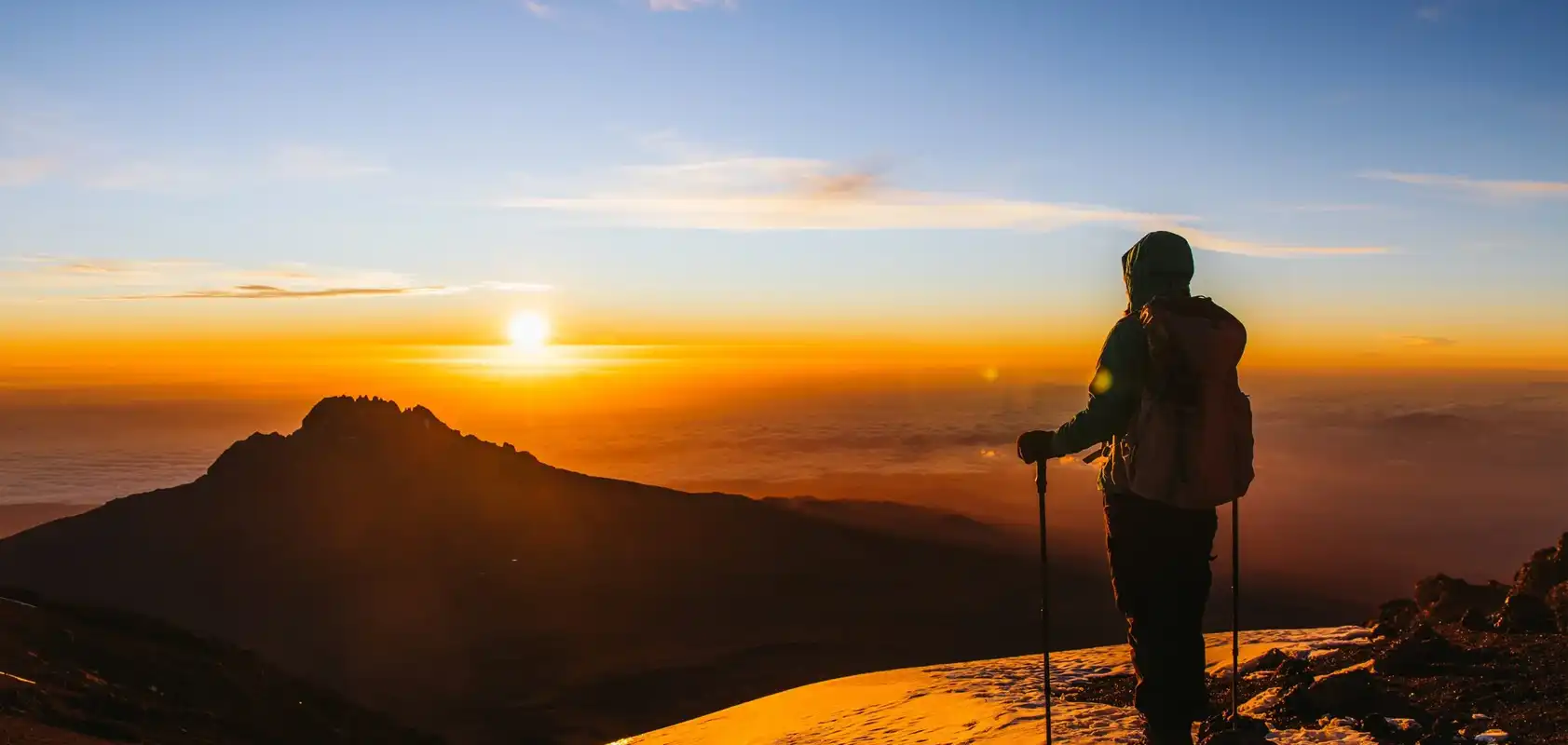
3. Breathtaking Scenery: Despite its challenging nature, the Umbwe route rewards climbers with breathtaking scenery and panoramic views of Kilimanjaro’s iconic peaks. From lush rainforests to rugged alpine terrain, the route showcases the diverse landscapes of Africa’s tallest mountain.
4. Direct Route to the Summit: The Umbwe Route is the most direct route to the summit of Kilimanjaro, offering a thrilling and efficient ascent for experienced climbers. This route provides a sense of accomplishment and adventure as trekkers tackle challenging terrain en route to Uhuru Peak.
5. Unique Perspective of Kilimanjaro: By taking the Umbwe route, climbers gain a unique perspective of Kilimanjaro, traversing through pristine wilderness areas and rugged terrain. This unspoiled path offers unparalleled opportunities for wildlife sightings and remote exploration.
6. High Altitude Challenge: The Umbwe route presents climbers with the ultimate high-altitude challenge, ascending rapidly to the summit of Kilimanjaro. Proper acclimatization and physical fitness are essential for success on this demanding route.
7. Distance Covered: The Umbwe route spans approximately 53 kilometers from gate to gate, offering climbers a direct and challenging journey to the summit of Kilimanjaro.
Day-wise Distance Breakdown:
8. Summit Success Rate: The Umbwe Route boasts a summit success rate of approximately 65% to 70%, reflecting its challenging terrain and rapid ascent. Proper preparation, acclimatization, and mountaineering skills are essential for climbers attempting this route.
We are dedicated to providing climbers with the necessary support and expertise for a successful summit on the Umbwe Route. Join us for an unforgettable adventure on Kilimanjaro’s most direct and exhilarating path to the Roof of Africa!
Certainly! Here are some frequently asked questions (FAQs) about Kilimanjaro Climb:
Get advice and suggestions to make this your perfect trip.
We’ve gathered essential insights to prepare you for your Kilimanjaro climb. Discover valuable hints, tips, tricks, and recommendations in our comprehensive, free guide
Journey through the heart of Tanzania’s wild landscapes with our expertly guided safaris
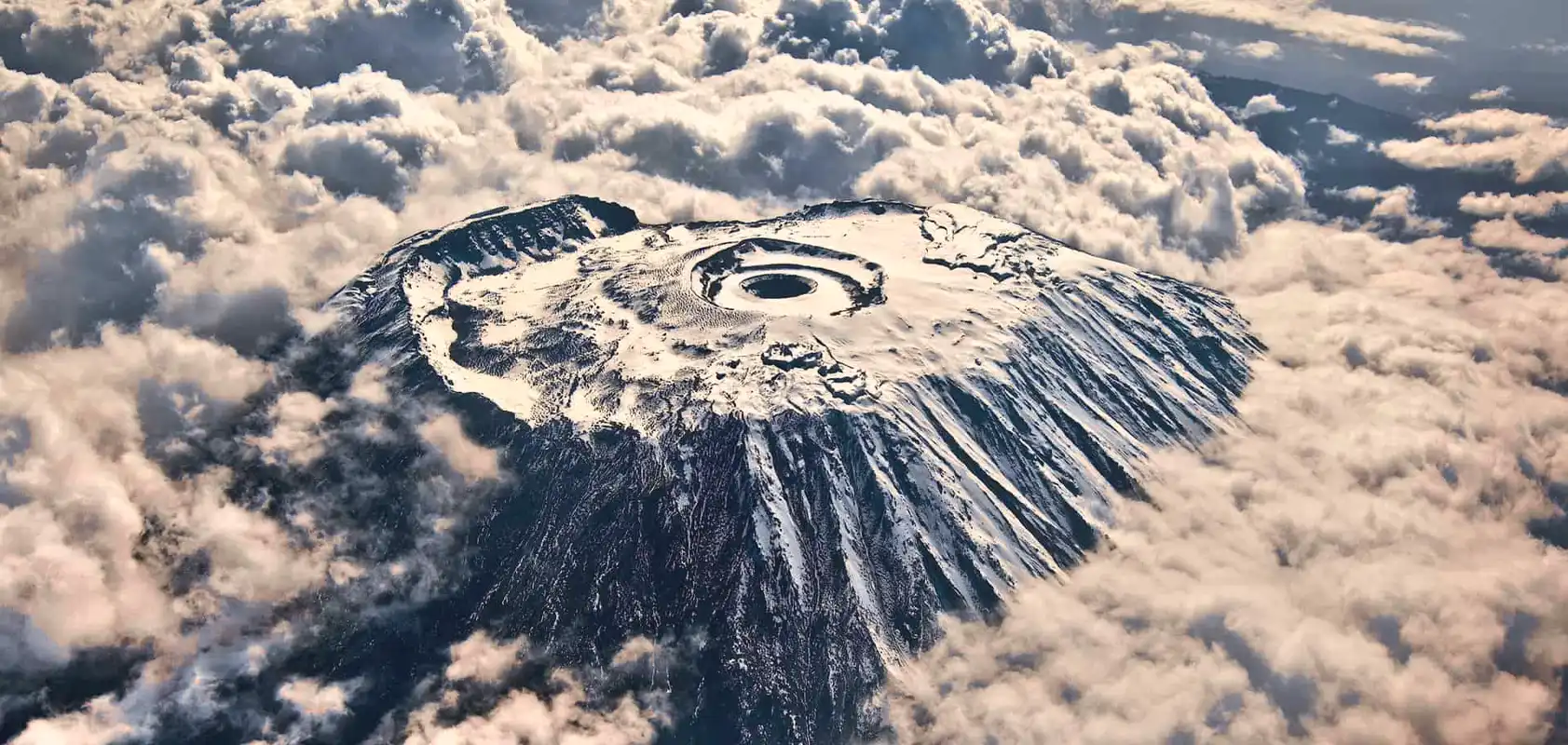
Standing at 5,895 meters, the summit of Kilimanjaro is the highest point in Africa
We help you plan your dream holiday in Tanzania! We show you how to plan your trip in such a way that you may experience it as a lifetime safari experience.

We are a dedicated team of safari enthusiasts deeply passionate about the wonders of Africa.