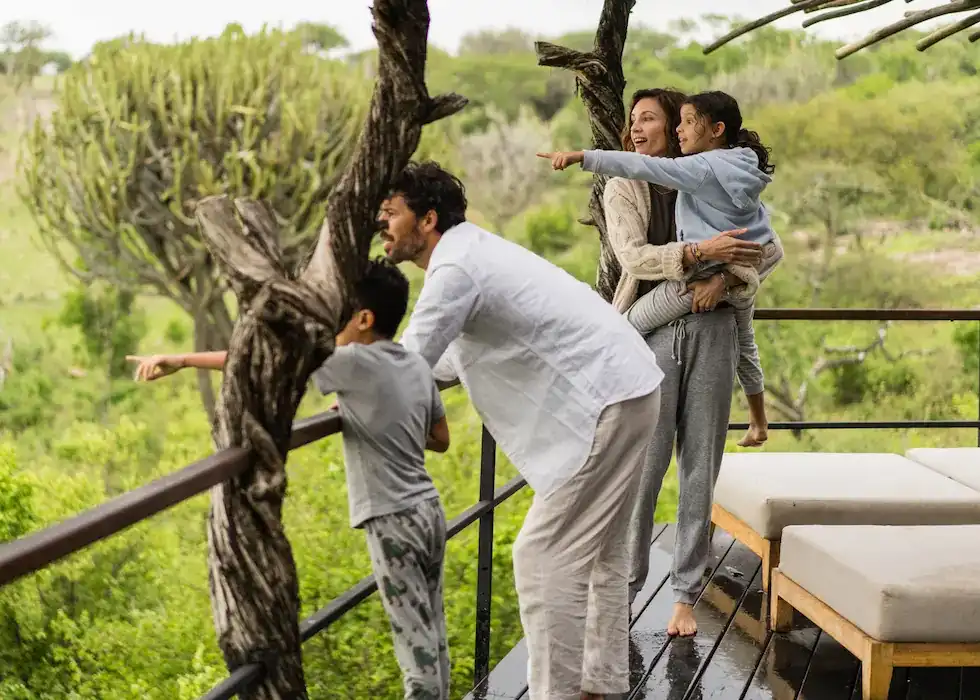
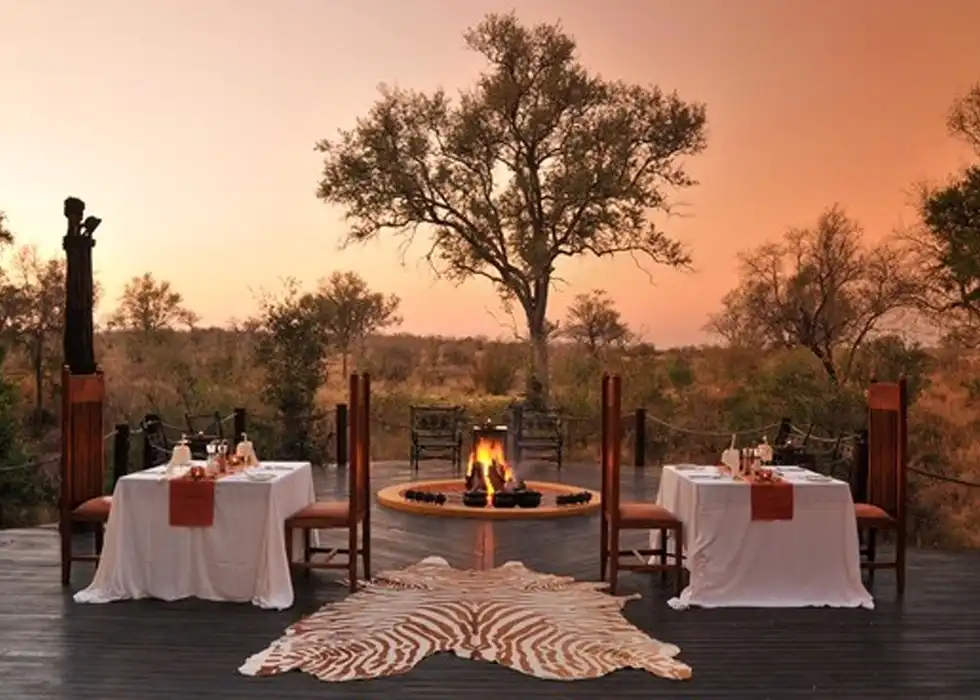
Tarangire National Park is one of Tanzania’s most underrated yet spectacular wildlife destinations. Tucked in the Manyara Region of northern Tanzania, this park offers a raw and authentic safari experience that rivals — and in many ways surpasses — more famous parks like the Serengeti. If you are planning a Tanzania safari, Tarangire deserves a prime spot on your itinerary.
In this complete guide, we cover everything you need to know about visiting Tarangire National Park — from the best time to visit and what wildlife to expect, to where to stay and how to get there.
Tarangire National Park covers approximately 2,850 square kilometres in northern Tanzania, making it the sixth-largest national park in the country. The park takes its name from the Tarangire River, the only permanent water source in the area during the dry season. This single river transforms Tarangire into one of Africa’s most extraordinary wildlife-watching destinations, drawing thousands of animals to its banks every year.
Established in 1970, Tarangire is part of the northern safari circuit that includes the Serengeti, Ngorongoro Crater, and Lake Manyara — and it is a key component of many Tanzania safari packages offered by Ejas Africa Adventures.
Tarangire is famous for its extraordinary elephant population. During the dry season (June to October), you can witness herds of over 300 elephants gathered around the Tarangire River. If seeing African elephants up close is on your bucket list, there is no better place in Tanzania — and arguably in all of Africa.
The park is dotted with ancient baobab trees — some estimated to be over 1,000 years old. These iconic trees give Tarangire a surreal, prehistoric atmosphere unlike any other park in Tanzania. The baobab-studded savannah creates a breathtaking backdrop for game drives and photography.
With over 550 recorded bird species, Tarangire is a paradise for birders. Look out for the yellow-collared lovebird, ashy starling, rufous-tailed weaver, and the enormous kori bustard. The mix of dry savannah, wetlands, and riverine forests supports a remarkable diversity of birdlife throughout the year.
Compared to the Serengeti or Ngorongoro, Tarangire receives significantly fewer tourists. This means more exclusive game drive experiences, quieter bush camps, and a deeper sense of wilderness. At Ejas Africa Adventures, we love including Tarangire in our itineraries precisely because of this authentic, unhurried experience.
Beyond the famous elephant herds, Tarangire is home to lion, leopard, cheetah, buffalo, zebra, wildebeest, giraffe, eland, fringe-eared oryx, and the rare greater kudu. Predator sightings are excellent, particularly around the river during the dry season.
This is the best time to visit Tarangire. As the dry season progresses, water sources outside the park dry up, forcing wildlife to congregate around the Tarangire River. Elephant herds swell to extraordinary numbers, lion prides patrol the riverbanks, and game viewing is at its absolute peak. Mornings are cool and afternoons warm — ideal conditions for game drives.
A secondary dry season brings good wildlife viewing and fewer visitors than the June–October peak. This is also one of the best times for bird watching as migratory bird species are present.
The wet season brings lush green landscapes, fewer crowds, and significantly lower accommodation prices. While dense vegetation can make wildlife spotting slightly harder, the scenery is stunning and calving season (November to January) brings newborn wildebeest, zebra, and gazelle, which in turn attracts predators.
Our Recommendation: For the ultimate Tarangire elephant experience, visit between July and October. For budget-conscious travellers who still want quality wildlife encounters, November and December offer excellent value.
| Animal | Best Viewing Season |
| African Elephant | June – October (dry season) |
| Lion | Year-round, peak dry season |
| Leopard | Year-round |
| Cheetah | Year-round, open plains |
| Buffalo | Year-round |
| Greater Kudu | Dry season, riverine forest edges |
| Wild Dog | Occasionally, the dry season |
| Python | Year-round, riverbanks |
| Kori Bustard | Year-round |
| Yellow-collared Lovebird | Year-round (endemic to Tarangire) |
Tarangire National Park is conveniently located approximately 120 kilometres southwest of Arusha, making it a straightforward drive of about 2–2.5 hours.
Tarangire offers accommodation options for every budget, from rustic public campsites to ultra-luxury tented camps.
Pro Tip: Staying inside or near the park allows for early-morning and evening game drives during peak wildlife activity hours — something day visitors miss entirely.
Tarangire pairs perfectly with neighbouring parks on Tanzania’s famous Northern Circuit. At Ejas Africa Adventures, we typically combine Tarangire with:
A 6-Day Tanzania Classic Safari visiting Tarangire, Lake Manyara, Serengeti, and Ngorongoro is one of our most popular itineraries and gives travellers a truly complete northern Tanzania safari experience.
Entry fees to Tarangire National Park are set by the Tanzania National Parks Authority (TANAPA). Current fees are:
Fees are subject to change. Ejas Africa Adventures includes all park fees in our safari packages — no hidden costs.
Absolutely. Tarangire is one of Tanzania’s finest national parks and is particularly spectacular for elephant viewing, baobab scenery, and bird watching. It is an essential addition to any Tanzania safari.
A minimum of one full day gives you a quality experience. Still, two days allow you to explore different sections of the park and significantly increase your chances of exceptional wildlife sightings.
Tarangire is most famous for its enormous elephant herds — some of the largest concentrations of elephants in Africa — and its iconic ancient baobab tree landscapes.
Yes. Tarangire is a well-managed national park. All game drives are conducted from enclosed safari vehicles with professional, TANAPA-licensed guides. Ejas Africa Adventures’ guides are highly experienced and deeply knowledgeable about the park and its wildlife.
At Ejas Africa Adventures, we have been helping travellers discover the magic of Tanzania’s national parks for years. Based right here in Arusha, we are local specialists with deep knowledge of Tarangire and the entire northern safari circuit.
Whether you are looking for a budget camping safari, a classic lodge safari, or a fully bespoke luxury itinerary, we will craft the perfect Tanzania adventure for you.
Get advice and suggestions to make this your perfect trip.
Journey through the heart of Tanzania’s wild landscapes with our expertly guided safaris
Standing at 5,895 meters, the summit of Kilimanjaro is the highest point in Africa
We help you plan your dream holiday in Tanzania! We show you how to plan your trip in such a way that you may experience it as a lifetime safari experience.

We are a dedicated team of safari enthusiasts deeply passionate about the wonders of Africa.